Reading the trade relationship
Argentina does not have a comprehensive free-trade agreement with the U.S.; individual arrangements and national rules still matter.
Country relationship · South America · Reviewed
A major regional economy linking agriculture, energy, investment, and international finance.
Argentina’s relationship with the U.S. combines agriculture and industrial trade, energy and mineral investment, and financial diplomacy. Cooperation does not erase differences over commercial access, domestic economic policy, or regional priorities.
Economy
A major regional economy linking agriculture, energy, investment, and international finance.
Security
Defense and diplomatic cooperation: Major non-NATO ally framework.
People
Families, learning, travel, and professional connections extend beyond official diplomacy.
Trade figures are dated estimates, not a live counter. All amounts are U.S. dollars.
$29.9bnTwo-way goods and services trade · 2025
Agricultural trade, energy development, and critical-mineral projects create opportunities alongside competition between producers. Currency conditions, financing, regulatory predictability, and infrastructure influence whether announced investment becomes production.
Goods only in these bars; services are included in the larger total alongside them. A trade balance alone does not measure the value of a relationship.
| Measure | Amount |
|---|---|
| U.S. goods exports | $10.0bn |
| U.S. goods imports | $8.3bn |
| Goods and services, both directions | $29.9bn |
Country developments · Reviewed
Argentina does not have a comprehensive free-trade agreement with the U.S.; individual arrangements and national rules still matter.
Major non-NATO ally status supports a framework for defense cooperation. It is not NATO membership or a mutual-defense guarantee, and Argentina retains its own decisions on international alignments.
Defense status, military procurement, financial support, and broader political alignment should be evaluated separately.
Academic exchanges, tourism, scientific collaboration, and business networks connect the societies. Domestic economic conditions can affect travel and opportunities without defining every aspect of the bilateral relationship.
Investment access and visitor or work authorization follow different procedures.
Diplomacy, cooperation, disagreements, and decisions to watch in this relationship.
Country developments · Reviewed
Selected milestones that explain the relationship today.
Civilian democratic government returns after the military dictatorship.
The bilateral investment treaty establishes a framework for covered investment.
Washington designates Argentina for enhanced defense cooperation outside NATO.
Confirmation authorizes an appointment. Arrival, swearing-in, and credentials are separate milestones.
Key U.S. interlocutors: the officials leading diplomacy, trade, and security coordination. These are selected federal leads, not an exhaustive directory.
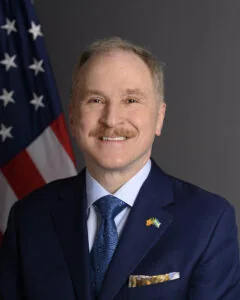
Embassy leadership
U.S. Ambassador to Argentina
Leads the U.S. mission’s diplomatic engagement with Argentina. The mission coordinates U.S. agency work and maintains the local diplomatic channel.
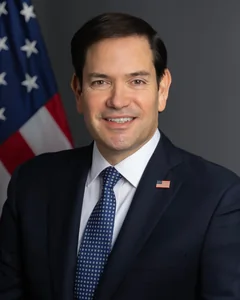
Diplomacy
Secretary of State
Leads State Department diplomacy and the senior political relationship. Embassy and consular work sit within this diplomatic chain.

Trade negotiations
U.S. Trade Representative
Leads U.S. trade policy and negotiations. Trade preferences, treaty implementation, and market-access questions are distinct from immigration and consular decisions.
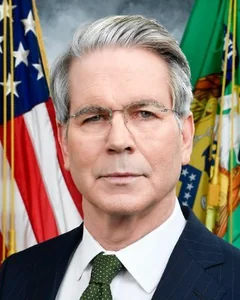
Finance & sanctions
Secretary of the Treasury
Leads Treasury’s financial diplomacy and administration of sanctions through OFAC. Sanctions authorizations, financial arrangements, and trade-agreement rules are different legal instruments.
Senate confirmation authorizes an appointment; it is not a swearing-in date. Swearing in marks the oath of office. An ambassador's presentation of credentials is a separate step with the receiving government. Each date above is labeled for the event the source verifies. The officials and roles were reviewed on Nov 17, 2026 and may change.

