Reading the trade relationship
Resource potential should not be presented as investment already delivered or as unrestricted access for U.S. firms.
Country relationship · South America · Reviewed
A relationship being rebuilt around diplomacy, development, and difficult historical legacies.
Bolivia’s relationship with the U.S. has been shaped by disputes over sovereignty, drug policy, and diplomatic representation. Renewed engagement creates openings in health, trade, and investment, while mineral resources and domestic institutions remain important context.
Economy
A relationship being rebuilt around diplomacy, development, and difficult historical legacies.
People
Families, learning, travel, and professional connections extend beyond official diplomacy.
Trade figures are dated estimates, not a live counter. All amounts are U.S. dollars.
$1.6bnTwo-way goods and services trade · 2025
Mining, agriculture, and energy influence Bolivia’s external economy. Lithium attracts attention, but reserves, a signed memorandum, commercial production, and reliable export infrastructure are distinct milestones.
Goods only in these bars; services are included in the larger total alongside them. A trade balance alone does not measure the value of a relationship.
| Measure | Amount |
|---|---|
| U.S. goods exports | $348.7m |
| U.S. goods imports | $618.2m |
| Goods and services, both directions | $1.6bn |
Country developments · Reviewed
Resource potential should not be presented as investment already delivered or as unrestricted access for U.S. firms.
The absence of exchanged ambassadors for years has constrained high-level channels. Drug policy, policing, and judicial cooperation have to be understood alongside Bolivia’s sovereignty concerns and domestic political changes.
An acting chief of mission can lead an embassy without being an accredited ambassador.
Professional exchanges and family ties extend beyond periods of political disagreement. Public-health cooperation offers a concrete area of engagement, with a bilateral memorandum signed in April 2026.
Announced assistance and a memorandum should be separated from funds disbursed and services delivered.
Diplomacy, cooperation, disagreements, and decisions to watch in this relationship.
Country developments · Reviewed
Selected milestones that explain the relationship today.
Bolivia returns to democratic civilian government after military rule.
The expulsion of ambassadors marks a major deterioration in bilateral relations.
A bilateral public-health memorandum illustrates renewed practical engagement.
An acting chief of mission is not a Senate-confirmed ambassador.
Key U.S. interlocutors: the officials leading diplomacy, trade, and security coordination. These are selected federal leads, not an exhaustive directory.

Embassy leadership
Chargé d’affaires, U.S. mission to Bolivia
Leads the U.S. mission’s diplomatic engagement with Bolivia. The mission coordinates U.S. agency work and maintains the local diplomatic channel.
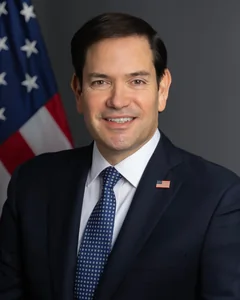
Diplomacy
Secretary of State
Leads State Department diplomacy and the senior political relationship. Embassy and consular work sit within this diplomatic chain.
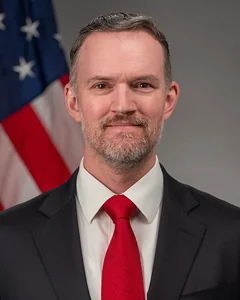
Trade negotiations
U.S. Trade Representative
Leads U.S. trade policy and negotiations. Trade preferences, treaty implementation, and market-access questions are distinct from immigration and consular decisions.
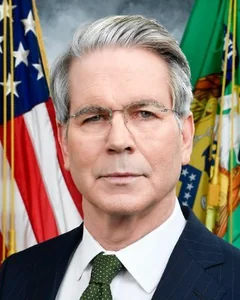
Finance & sanctions
Secretary of the Treasury
Leads Treasury’s financial diplomacy and administration of sanctions through OFAC. Sanctions authorizations, financial arrangements, and trade-agreement rules are different legal instruments.
Senate confirmation authorizes an appointment; it is not a swearing-in date. Swearing in marks the oath of office. An ambassador's presentation of credentials is a separate step with the receiving government. Each date above is labeled for the event the source verifies. The officials and roles were reviewed on Nov 17, 2026 and may change.

