Market access
Tariffs and integrated production.
An autos or metals decision affects companies selling finished products and suppliers feeding plants across the border. Preference under USMCA and a sector-specific tariff are distinct questions.
Country relationship · North America · Reviewed
A neighbor, defense ally, and deeply connected trading partner.
The U.S. and Canada share continental defense, integrated industries, and extensive family and business ties. Close cooperation coexists with disputes over tariffs, market access, and each country's priorities.
Trade
Automotive supply chains, energy infrastructure, and agriculture connect producers and customers on both sides.
Defense
NORAD is a binational command. NATO is a separate alliance; neither removes each government's national decisions.
People
Families, tourism, education, and communities connect the countries beyond their capitals.
Trade figures are dated estimates, not a live counter. All amounts are U.S. dollars.
$872.3bnTwo-way goods and services trade · 2025
Energy, vehicles, machinery, and agriculture help explain the scale of the relationship. Goods may cross the border within a supply chain before becoming a finished product. USMCA sets common rules, while sector-specific measures and disputes can still affect access.
Goods only in these bars; services are included in the larger total alongside them. A trade balance alone does not measure the value of a relationship.
| Measure | Amount |
|---|---|
| U.S. goods exports | $333.6bn |
| U.S. goods imports | $381.9bn |
| Goods and services, both directions | $872.3bn |
Country developments · Reviewed
Tariffs and integrated production.
An autos or metals decision affects companies selling finished products and suppliers feeding plants across the border. Preference under USMCA and a sector-specific tariff are distinct questions.
Cross-border infrastructure.
Canadian oil, gas and electricity connect to U.S. markets through established infrastructure. Trade policy, permitting and regional transmission decisions operate on different timelines.
Negotiations
Trump and Carney resumed substantive conversations, according to Carney. The U.S. and Canada still face sector-specific trade questions, and USTR is separately preparing the 2027 regional review.
The countries are NATO allies and operate NORAD together for aerospace warning, aerospace control, and maritime warning. Those arrangements sit alongside national budgets, procurement choices, and decisions about deployments.
Cooperation does not mean every policy aligns: defense investment, Arctic infrastructure, and trade restrictions can become separate negotiations.
Country developments · Reviewed
Shared continental warning.
NORAD combines U.S. and Canadian personnel and responsibilities. Canadian defense investments are made in Canada’s budget, including phased investments in northern surveillance.
Defense
The two countries jointly carry out warning and aerospace defense. Commitments need follow-through through budgets, procurement and coordination with northern and Indigenous partners.
Tourism, study, work, family relationships, and Indigenous communities spanning the border make changes in travel and border policy tangible. Cross-border infrastructure links local economies as well as national energy systems.
Watch the practical rules: entry requirements, border processing, and changes affecting students, workers, and businesses. A close relationship does not mean unrestricted entry.
Diplomacy, cooperation, disagreements, and decisions to watch in this relationship.
Country developments · Reviewed
Statements about progress leave the coverage, rates and effective dates of any relief open.
The joint mission and each government’s spending commitments are separate.
Selected milestones that explain the relationship today.
The U.S. and Canada join the original members of the North Atlantic alliance.
A binational command becomes a central institution of continental defense.
The Canada–U.S. Free Trade Agreement takes effect; NAFTA later expands the framework to include Mexico.
The three-country agreement enters into force on July 1, with its own trade rules and review process.
Country developments · Reviewed
The two governments created a binational defense command, which evolved to include maritime warning.
USMCA took effect in 2020. The scheduled review created a forum for extension decisions alongside bilateral negotiations.
Key U.S. interlocutors: the officials leading diplomacy, trade, and security coordination. These are selected federal leads, not an exhaustive directory.
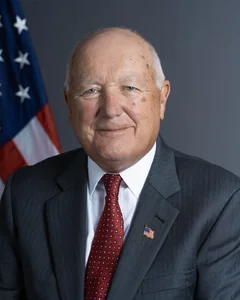
Embassy leadership
U.S. Ambassador to Canada
Leads the U.S. diplomatic mission in Canada and engages Canada's government on the bilateral agenda. The embassy coordinates work across U.S. agencies represented in the country.
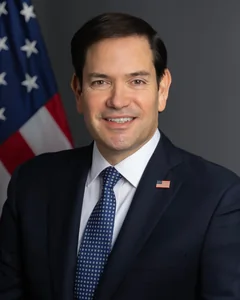
Diplomacy
Secretary of State
Leads State Department diplomacy, including senior discussions on bilateral relations, allies, and international security. The ambassador works within that diplomatic chain.

Trade negotiations
U.S. Trade Representative
Leads U.S. trade negotiations and USMCA implementation. Trade rules and dispute settlement are a different channel from the embassy's broader diplomatic role.

Border coordination
Secretary of Homeland Security
Oversees DHS, including U.S. border and customs agencies. The department coordinates with Canadian authorities on border management, travel, and cross-border security.
Senate confirmation authorizes an appointment; it is not a swearing-in date. Swearing in marks the oath of office. An ambassador's presentation of credentials is a separate step with the receiving government. Each date above is labeled for the event the source verifies. The officials and roles were reviewed on Nov 16, 2026 and may change.
