Reading the trade relationship
High-value exports and tourism do not guarantee that gains reach all regions or workers.
Country relationship · Central America · Reviewed
A democratic partner tied to advanced manufacturing, tourism, and civilian security.
Costa Rica’s relationship with the U.S. extends from medical-device supply chains and tourism to conservation and law enforcement. Its lack of a standing army makes civilian institutions central to security cooperation.
Economy
A democratic partner tied to advanced manufacturing, tourism, and civilian security.
People
Families, learning, travel, and professional connections extend beyond official diplomacy.
Trade figures are dated estimates, not a live counter. All amounts are U.S. dollars.
$32.5bnTwo-way goods and services trade · 2025
Manufacturing, medical technology, business services, and tourism connect the economies. CAFTA–DR provides a treaty framework, while investment conditions, customs procedures, and infrastructure determine how firms use it.
Goods only in these bars; services are included in the larger total alongside them. A trade balance alone does not measure the value of a relationship.
| Measure | Amount |
|---|---|
| U.S. goods exports | $10.2bn |
| U.S. goods imports | $13.9bn |
| Goods and services, both directions | $32.5bn |
Country developments · Reviewed
High-value exports and tourism do not guarantee that gains reach all regions or workers.
Police, judicial institutions, coast-guard functions, and border management are the relevant domestic channels. U.S. cooperation concerns transnational crime and institutional capacity rather than a shared military command.
Costa Rica’s abolition of its army does not mean it has no security institutions or no sovereignty over enforcement.
Travel, university exchanges, business ties, and conservation networks form a substantial relationship outside official diplomacy. U.S. residents and visitors also create demand for reliable consular services.
Visitor access, long-term residence, labor rules, and environmental protections are separate policies.
Diplomacy, cooperation, disagreements, and decisions to watch in this relationship.
Country developments · Reviewed
Selected milestones that explain the relationship today.
The army is abolished after the civil war, and the new constitution establishes the civilian framework.
Costa Rica joins the regional agreement with the United States.
The agreement enters into force for Costa Rica on January 1.
Confirmation authorizes an appointment. Arrival, swearing-in, and credentials are separate milestones.
Key U.S. interlocutors: the officials leading diplomacy, trade, and security coordination. These are selected federal leads, not an exhaustive directory.
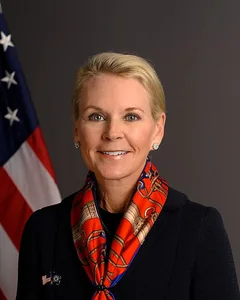
Embassy leadership
U.S. Ambassador to Costa Rica
Leads the U.S. mission’s diplomatic engagement with Costa Rica. The mission coordinates U.S. agency work and maintains the local diplomatic channel.
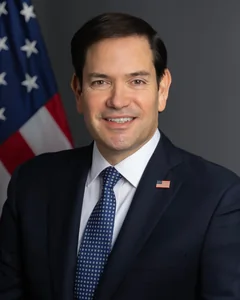
Diplomacy
Secretary of State
Leads State Department diplomacy and the senior political relationship. Embassy and consular work sit within this diplomatic chain.
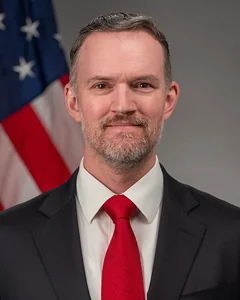
Trade negotiations
U.S. Trade Representative
Leads U.S. trade policy and negotiations. Trade preferences, treaty implementation, and market-access questions are distinct from immigration and consular decisions.
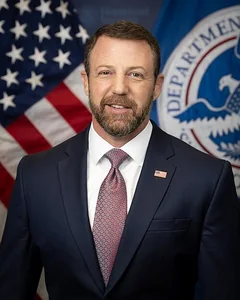
Border coordination
Secretary of Homeland Security
Oversees U.S. customs, border, and immigration agencies. These U.S. responsibilities do not give DHS authority over Costa Rica’s domestic institutions.
Senate confirmation authorizes an appointment; it is not a swearing-in date. Swearing in marks the oath of office. An ambassador's presentation of credentials is a separate step with the receiving government. Each date above is labeled for the event the source verifies. The officials and roles were reviewed on Nov 17, 2026 and may change.
