Reading the trade relationship
An investment pledge is different from a factory operating or a job sustained.
Country relationship · Central America · Reviewed
A major migration and trade relationship shaped by governance, security, and history.
Guatemala’s ties with Washington connect manufacturing and agriculture, remittances, migration, and anti-trafficking cooperation. Democratic institutions, corruption, and the legacy of U.S. intervention are essential context.
Economy
A major migration and trade relationship shaped by governance, security, and history.
Security
Civilian and judicial cooperation: Border, police, prosecution.
People
Families, learning, travel, and professional connections extend beyond official diplomacy.
Trade figures are dated estimates, not a live counter. All amounts are U.S. dollars.
$19.5bnTwo-way goods and services trade · 2025
CAFTA–DR links Guatemalan producers with U.S. markets in sectors including apparel and agriculture. Remittances support households but are not a trade export; transport, electricity, workforce skills, and legal predictability influence investment.
Goods only in these bars; services are included in the larger total alongside them. A trade balance alone does not measure the value of a relationship.
| Measure | Amount |
|---|---|
| U.S. goods exports | $10.0bn |
| U.S. goods imports | $5.2bn |
| Goods and services, both directions | $19.5bn |
Country developments · Reviewed
An investment pledge is different from a factory operating or a job sustained.
U.S. and Guatemalan agencies cooperate on transnational crime, migration management, and institutional capacity. Anti-corruption and judicial independence affect whether enforcement gains are durable.
Migration enforcement and anti-corruption objectives can create separate policy pressures; neither should be used as a substitute for evaluating legal safeguards.
Guatemalan communities in the U.S. sustain family, business, and cultural links. Indigenous communities, rural economies, and unequal access to opportunity matter when explaining migration rather than treating it as a single security statistic.
Remittances, legal migration routes, asylum decisions, and removals are distinct processes.
Diplomacy, cooperation, disagreements, and decisions to watch in this relationship.
Country developments · Reviewed
Selected milestones that explain the relationship today.
The CIA-backed overthrow of President Jacobo Árbenz is a defining historical episode in the relationship.
Agreements end the decades-long internal armed conflict.
The agreement takes effect for Guatemala on July 1.
An acting chief of mission is not a Senate-confirmed ambassador.
Key U.S. interlocutors: the officials leading diplomacy, trade, and security coordination. These are selected federal leads, not an exhaustive directory.
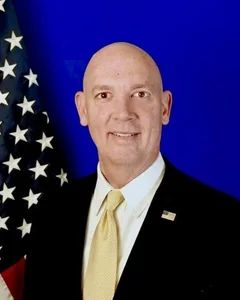
Embassy leadership
Chargé d’affaires, U.S. mission to Guatemala
Leads the U.S. mission’s diplomatic engagement with Guatemala. The mission coordinates U.S. agency work and maintains the local diplomatic channel.
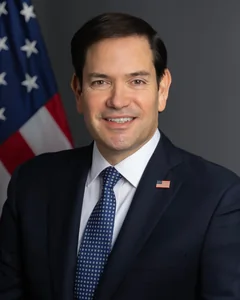
Diplomacy
Secretary of State
Leads State Department diplomacy and the senior political relationship. Embassy and consular work sit within this diplomatic chain.
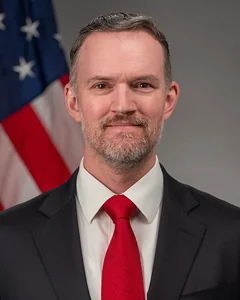
Trade negotiations
U.S. Trade Representative
Leads U.S. trade policy and negotiations. Trade preferences, treaty implementation, and market-access questions are distinct from immigration and consular decisions.
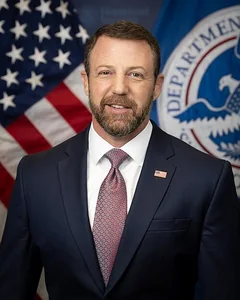
Border coordination
Secretary of Homeland Security
Oversees U.S. customs, border, and immigration agencies. These U.S. responsibilities do not give DHS authority over Guatemala’s domestic institutions.
Senate confirmation authorizes an appointment; it is not a swearing-in date. Swearing in marks the oath of office. An ambassador's presentation of credentials is a separate step with the receiving government. Each date above is labeled for the event the source verifies. The officials and roles were reviewed on Nov 17, 2026 and may change.
