Reading the trade relationship
Goods trade alone understates a relationship with substantial tourism and diaspora activity.
Country relationship · Caribbean · Reviewed
Dense cultural and family ties alongside tourism, commerce, and maritime cooperation.
Jamaica’s relationship with the U.S. connects diaspora communities, music and culture, tourism, business, and security cooperation. Economic opportunity and accountable institutions matter alongside efforts against transnational crime.
Economy
Dense cultural and family ties alongside tourism, commerce, and maritime cooperation.
Security
Maritime and justice cooperation: National institutions and U.S. agencies.
People
Families, learning, travel, and professional connections extend beyond official diplomacy.
Trade figures are dated estimates, not a live counter. All amounts are U.S. dollars.
$3.1bnTwo-way goods trade · services excluded · 2025
Visitors, services, imported supplies, agriculture, and investment connect the economies. Family transfers support households but are not merchandise exports.
Goods only in the bars and total. Travel and other services are not included in this snapshot. A trade balance alone does not measure the value of a relationship.
| Measure | Amount |
|---|---|
| U.S. goods exports | $2.7bn |
| U.S. goods imports | $381.1m |
Country developments · Reviewed
Goods trade alone understates a relationship with substantial tourism and diaspora activity.
Maritime and law-enforcement cooperation addresses trafficking and organized crime. Professional training, justice capacity, and civilian trust are central to durable outcomes.
Equipment or arrests alone do not establish effective, rights-respecting public security.
Jamaican-American communities, family networks, students, artists, travelers, and entrepreneurs sustain an especially visible social relationship. Consular and mobility rules affect practical participation.
Cultural prominence and close family ties do not remove travel or employment requirements.
Diplomacy, cooperation, disagreements, and decisions to watch in this relationship.
Country developments · Reviewed
Selected milestones that explain the relationship today.
Jamaica becomes independent from the United Kingdom.
The U.S. establishes the Caribbean Basin Initiative.
The Caribbean Basin Security Initiative creates a framework for U.S.–Caribbean cooperation.
An acting chief of mission is not a Senate-confirmed ambassador.
Key U.S. interlocutors: the officials leading diplomacy, trade, and security coordination. These are selected federal leads, not an exhaustive directory.
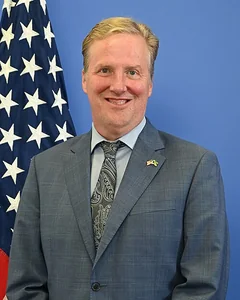
Embassy leadership
Chargé d’affaires, U.S. mission to Jamaica
Leads the U.S. mission’s diplomatic engagement with Jamaica. The mission coordinates U.S. agency work and maintains the local diplomatic channel.
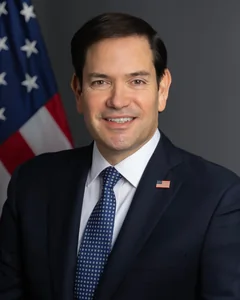
Diplomacy
Secretary of State
Leads State Department diplomacy and the senior political relationship. Embassy and consular work sit within this diplomatic chain.
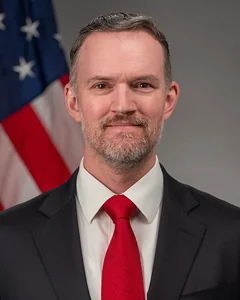
Trade negotiations
U.S. Trade Representative
Leads U.S. trade policy and negotiations. Trade preferences, treaty implementation, and market-access questions are distinct from immigration and consular decisions.
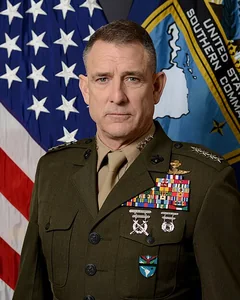
Military cooperation
Commander, U.S. Southern Command
Leads U.S. military cooperation in SOUTHCOM’s area, including training, maritime awareness, and disaster-response support. This command role is separate from diplomatic negotiations and the partner government’s legal authority.
Senate confirmation authorizes an appointment; it is not a swearing-in date. Swearing in marks the oath of office. An ambassador's presentation of credentials is a separate step with the receiving government. Each date above is labeled for the event the source verifies. The officials and roles were reviewed on Nov 17, 2026 and may change.

