Reading the trade relationship
Investment protection, tariff treatment, sanitary approval, and tax rules answer different questions.
Country relationship · South America · Reviewed
A stable democratic partner connected through agriculture, services, and investment rules.
Uruguay’s relationship with the U.S. rests on commerce, investment, education, and diplomatic cooperation. Its regional commitments and independent decisions remain important alongside shared interests in transparent institutions and predictable rules.
Economy
A stable democratic partner connected through agriculture, services, and investment rules.
Security
Diplomatic and professional channels: Defense exchanges and law enforcement.
People
Families, learning, travel, and professional connections extend beyond official diplomacy.
Trade figures are dated estimates, not a live counter. All amounts are U.S. dollars.
$5.1bnTwo-way goods and services trade · 2025
Agriculture, technology services, logistics, and investment connect the economies. A bilateral investment treaty and a trade and investment framework support dialogue, but they are not a comprehensive free-trade agreement.
Goods only in these bars; services are included in the larger total alongside them. A trade balance alone does not measure the value of a relationship.
| Measure | Amount |
|---|---|
| U.S. goods exports | $2.0bn |
| U.S. goods imports | $1.6bn |
| Goods and services, both directions | $5.1bn |
Country developments · Reviewed
Investment protection, tariff treatment, sanitary approval, and tax rules answer different questions.
Defense contacts, peacekeeping experience, and law-enforcement cooperation provide practical channels. Uruguay’s international positions reflect its own institutions and priorities.
Shared democratic institutions do not mean agreement on every regional or global policy.
University links, professional networks, tourism, and diaspora ties complement goods trade. Services are especially important to understanding a relationship that cannot be reduced to agricultural shipments.
Trade data do not directly measure the value of cultural or academic exchange.
Diplomacy, cooperation, disagreements, and decisions to watch in this relationship.
Country developments · Reviewed
Selected milestones that explain the relationship today.
Uruguay returns to elected civilian government after military rule.
The bilateral investment treaty creates protections for covered investment.
The countries establish a trade and investment framework agreement.
Confirmation authorizes an appointment. Arrival, swearing-in, and credentials are separate milestones.
Key U.S. interlocutors: the officials leading diplomacy, trade, and security coordination. These are selected federal leads, not an exhaustive directory.
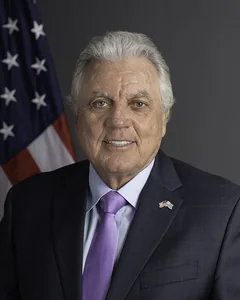
Embassy leadership
U.S. Ambassador to Uruguay
Leads the U.S. mission’s diplomatic engagement with Uruguay. The mission coordinates U.S. agency work and maintains the local diplomatic channel.
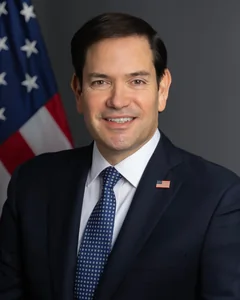
Diplomacy
Secretary of State
Leads State Department diplomacy and the senior political relationship. Embassy and consular work sit within this diplomatic chain.

Trade negotiations
U.S. Trade Representative
Leads U.S. trade policy and negotiations. Trade preferences, treaty implementation, and market-access questions are distinct from immigration and consular decisions.
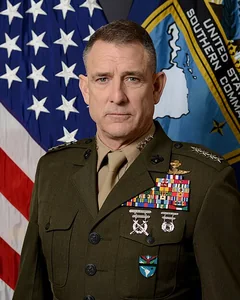
Military cooperation
Commander, U.S. Southern Command
Leads U.S. military cooperation in SOUTHCOM’s area, including training, maritime awareness, and disaster-response support. This command role is separate from diplomatic negotiations and the partner government’s legal authority.
Senate confirmation authorizes an appointment; it is not a swearing-in date. Swearing in marks the oath of office. An ambassador's presentation of credentials is a separate step with the receiving government. Each date above is labeled for the event the source verifies. The officials and roles were reviewed on Nov 17, 2026 and may change.

