Reading the trade relationship
A license permits specified activity; it is not a general end to sanctions or proof that revenue benefits reach households.
Country relationship · South America · Reviewed
An exceptionally consequential relationship involving political transition, oil, and U.S. power.
Venezuela’s relationship with the U.S. changed dramatically after the January 2026 capture of Nicolás Maduro. Restored diplomatic engagement, oil-revenue arrangements, sanctions, and the prospect of democratic transition are separate but connected tracks.
Economy
An exceptionally consequential relationship involving political transition, oil, and U.S. power.
Security
Diplomacy, sanctions, and security: Distinct authorities and accountability.
People
Families, learning, travel, and professional connections extend beyond official diplomacy.
Trade figures are dated estimates, not a live counter. All amounts are U.S. dollars.
$8.4bnTwo-way goods and services trade · 2025
Oil dominates the commercial relationship. U.S. sanctions authorizations and revenue arrangements influence how transactions occur, while production capacity, investment, and public accountability determine outcomes.
Goods only in these bars; services are included in the larger total alongside them. A trade balance alone does not measure the value of a relationship.
| Measure | Amount |
|---|---|
| U.S. goods exports | $3.0bn |
| U.S. goods imports | $3.7bn |
| Goods and services, both directions | $8.4bn |
Country developments · Reviewed
A license permits specified activity; it is not a general end to sanctions or proof that revenue benefits reach households.
The U.S. role includes direct military intervention and subsequent engagement with interim authorities. Sovereignty, legality, public security, and the conditions for political transition all require explicit attention.
An embassy reopening or commercial agreement is not the same as a completed democratic transition.
Venezuelan communities in the United States and across the Americas sustain family and financial ties. Political conditions, migration rules, and access to consular services affect daily life independently of oil negotiations.
Return, asylum, temporary protections, and individual status involve different legal processes.
Diplomacy, cooperation, disagreements, and decisions to watch in this relationship.
Country developments · Reviewed
Reviewed Nov 17, 2026
The accounting report describes how revenue entered the account and was released. Those records are separate from proof that spending achieved its intended public-service outcomes.
Economic recovery, sanctions decisions, and democratic transition have different milestones. An energy arrangement does not establish an agreed election timetable.
Selected milestones that explain the relationship today.
A new political period begins, later marked by growing institutional concentration.
Relations break amid disputes over political legitimacy.
The U.S. captures Maduro in January; diplomatic and economic engagement with interim authorities follows.
Country developments · Reviewed
Rodríguez governs after Maduro.
U.S. forces arrested Maduro and Cilia Flores, who face U.S. criminal charges. Rodríguez, formerly vice president, took over with much of the previous governing apparatus still in place.
A channel for U.S. engagement.
The countries agreed to reestablish diplomatic and consular relations on Mar 5. Diplomatic contact gives Washington a channel to discuss policy with the interim authorities.
Selected transactions under OFAC rules.
Treasury publishes permissions that apply to specified activities and conditions. The Nov 4 license concerns particular transactions related to the PDVSA 2020 bond, rather than a broad change to Venezuela policy.
Diplomacy
Treasury Secretary Scott Bessent met Blanco. Secretary of State Marco Rubio separately said the U.S. had urged authorities to allow opposition leader María Corina Machado to return. Engagement does not establish when a new election would occur.
Economic policy
OFAC continues to update rules on Venezuelan transactions. A limited bond-related authorization has a different scope from licenses covering oil operations.
Treat statements of support for an election separately from an electoral authority setting and implementing rules.
Read the instrument’s activities and effective date individually.
The Barbados agreement set electoral commitments. The 2024 presidential result was disputed after Maduro claimed victory and the opposition released tally records.
Maduro’s arrest changed who leads the government. Diplomatic ties resumed in March.
An acting chief of mission is not a Senate-confirmed ambassador.
Key U.S. interlocutors: the officials leading diplomacy, trade, and security coordination. These are selected federal leads, not an exhaustive directory.

Embassy leadership
Chargé d’affaires, U.S. mission to Venezuela
Leads the U.S. mission’s diplomatic engagement with Venezuela. The mission coordinates U.S. agency work and maintains the local diplomatic channel.
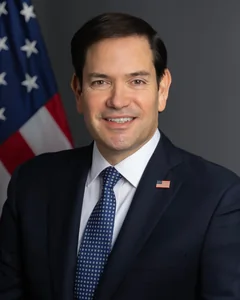
Diplomacy
Secretary of State
Leads State Department diplomacy and the senior political relationship. Embassy and consular work sit within this diplomatic chain.
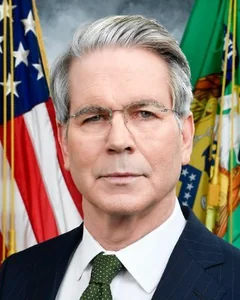
Finance & sanctions
Secretary of the Treasury
Leads Treasury’s financial diplomacy and administration of sanctions through OFAC. Sanctions authorizations, financial arrangements, and trade-agreement rules are different legal instruments.
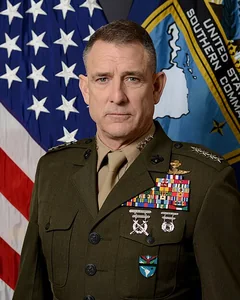
Military cooperation
Commander, U.S. Southern Command
Leads U.S. military cooperation in SOUTHCOM’s area, including training, maritime awareness, and disaster-response support. This command role is separate from diplomatic negotiations and the partner government’s legal authority.
Senate confirmation authorizes an appointment; it is not a swearing-in date. Swearing in marks the oath of office. An ambassador's presentation of credentials is a separate step with the receiving government. Each date above is labeled for the event the source verifies. The officials and roles were reviewed on Nov 17, 2026 and may change.


