Iran war, Hormuz shipping, and diplomacy
A third U.S. aircraft carrier arrived in the Middle East on Nov 16 while shipping hazards and uncertainty over further attacks continued.
Democrats have won 257 House seats and are set to hold at least 56 Senate seats, including two allied independents, in the Congress that begins Jan 3. Republicans still control both sitting chambers and the White House.
119th Congress · Current officeholders as of Nov 14
Official sourcesWhite HouseSenateHouse
120th Congress · Terms begin Jan 3, 2027. Results snapshot: Nov 18, 2026. Senate figures include continuing senators; independents caucus with Democrats.
The justices granted review on two questions in Mullin v. RAICES, the challenge over the executive order suspending asylum access at the southern border.
Supreme Court docket ↗Laubacher defeated Republican Rep. Lauren Boebert. AP’s tally reached 256 Democratic House wins, with 10 House races still uncalled.
Associated Press ↗AP called the race for Colom after counties reported more results, including provisional ballots. It was the eighth Republican-held Senate seat Democrats won.
Associated Press ↗Senators voted 62–21 to begin debate on H.R. 2347, the Bipartisan American Affordability and Jobs Act.
Senate Daily Press ↗The scheduled votes are on confirming Daniel Domenico to the Tenth Circuit and ending debate on Sen. Shelley Moore Capito’s substitute amendment to H.R. 2347.
Senate floor schedule ↗The state plans to publish ranked-choice results for races that require tabulation after counting the remaining eligible ballots. Alaska’s Senate race remained uncalled at briefing time.
Alaska Division of Elections ↗The FEC deadline covers committee activity through Nov 23. The period generally starts Oct 15 or after the close of the previous report.
Federal Election Commission ↗The terms of newly elected House members and senators begin at noon Eastern under the 20th Amendment.
National Archives ↗Keep up with what matters to you
Follow issues and countries for a focused view of new briefings and guide updates. Your choices stay in this browser.
A third U.S. aircraft carrier arrived in the Middle East on Nov 16 while shipping hazards and uncertainty over further attacks continued.
The U.S., Chinese, and Russian leaders plan talks in Shenzhen on Nov 19, during a trip that also includes meetings in Manila.
Ukraine reported new discussions with U.S. and European officials on Nov 16. Russia disputed that European participation in the next round was settled.
Winter rains are worsening shelter conditions while reconstruction remains stalled despite the U.S.-backed ceasefire framework.
Canada reported progress in bilateral talks on Nov 14, while USTR is consulting ahead of the 2027 annual USMCA review.
The U.S. and nine partners signed the San Francisco Declaration on Nov 15 to coordinate protection of AI technologies and infrastructure.
Briefing dates show when coverage was reviewed, not when every event happened. Guide updates describe additions to the site. Explore country relationships →
Browse prospective presidential candidates by party, with polling, nomination odds and documented positions.
The secretary of state said economic measures should reflect what households can afford and acknowledged that the Iran war raised fuel costs. Associated Press
Axios reported the changes as the New York representative weighs her plans for 2028. Axios
Ossoff and Buttigieg each received an excellent rating from 29% of Democratic registered voters. Rubio received 45% and Vance 43% among Republican registered voters. Respondents rated candidates individually. Reuters
The Maryland senator said he would focus on his bid to lead Senate Democrats in the incoming Congress. Associated Press
The former South Carolina governor said she would sit out the 2028 race. Bloomberg Television
Loading candidate profiles…
Sorted by primary polling
Nomination odds snapshot ·
Profiles of people who have withdrawn or ruled out a 2028 run.
Choose issues and up to five candidates from either party to compare their documented positions. Read the Housing guide.
No candidates match your search.
Scroll a table sideways to see more columns.
Follow the 2028 presidential election from the first nominating contests to the start of the next term.
A primary is an election by ballot. A caucus is a party-run meeting or organizing process. Both help decide how delegates are allocated to presidential contenders.
USAGov on primaries and caucuses · Find your election office
These are DNC-approved dates. State laws and party arrangements can affect when and how a contest is held. DNC calendar
The RNC retained Iowa as the first caucus and New Hampshire as the first primary, with early contests in Nevada and South Carolina. Check state and party calendars for dates.
Texas lists March 7, 2028, as its primary date for both parties. Texas Secretary of State
Winning a state and winning its delegates are different outcomes. Party rules determine whether several candidates share delegates, whether a candidate must reach a threshold, and which results are counted statewide or by district.
USAGov on delegate allocation · 2028 Republican rules update · RNC rules · DNC rules package
Choose a fictional vote result and compare how two rules would allocate the same delegates.
| Candidate | Vote share | Proportional | Winner takes all |
|---|
The proportional example uses a 15% cutoff and awards leftover delegates to the largest fractional remainders. Real contests have their own rules, allocation pools, and rounding procedures.
Delegates vote under party rules to select the presidential nominee. The party also nominates a vice presidential candidate, typically the presidential nominee’s chosen running mate.
On Tuesday, November 7, 2028, voters in the 50 states and Washington, D.C., choose among presidential tickets. A vote for a ticket helps choose the electors pledged to it under state law.
Federal Election Day law · USAGov on the general election · Register or check state rules at Vote.gov
Build a 2028 scenario or replay any of the 60 presidential elections from 1788–89 through 2024.
Start with the 2024 result. Choose an assignment, then click a state. Use the state picker to split Maine and Nebraska.
In the 2028 scenario, most jurisdictions award their full slate to the statewide winner. Maine and Nebraska award two statewide votes and one per congressional district. Replays use present-day boundaries and each election’s recorded allocation. From 1788–89 through 1800, each elector cast two votes without specifying an office. The sidebar shows both votes and counts electors separately. Map colors show the recipients’ parties where identified. Bands show multiple recipients or uncast or excluded votes. Hatching marks jurisdictions with no recorded allocation for that election.
2028 allocations · National Archives historical results · U.S. Census boundaries via U.S. Atlas
States certify their results and document the appointment of electors. Electors then vote in their respective jurisdictions and transmit the results for Congress to count.
Twelfth and Twentieth Amendments · National Archives Electoral College FAQ
Read the guides or compare candidates’ documented positions across 19 national policy issues.
Follow the cost of living through housing, healthcare, energy, wages, and taxes.
American politics moves quickly, but the news of the day rarely tells you the whole story. State of the Union starts with a few practical questions: Who holds power? What changed? Which decisions are coming next, and who can make them?
The home page answers those questions in a dated national briefing, with past editions in the weekly archive. The issue guides follow a policy question beyond the headlines, starting with why housing costs what it does and what different levels of government can do about it.
The 2028 Race follows prospective presidential candidates as the field takes shape. You can compare their documented positions, see where the evidence is thin, and use the election guide to trace how votes become delegates and electoral votes.
Sources and dates appear alongside the claims they support. Polling and market odds capture a moment in time. Candidate records can change as people cast votes, release proposals, or take on new roles. The methodology below explains how the site handles those differences.
Prepare a note for the guide’s maintainer. This form produces text you can share.
The field includes plausible contenders with coverage in reputable reporting or national primary polling. All statuses are snapshots of available public evidence.
The same questions apply to all candidates within each issue. The guide assigns evidence to questions by editorial review or topic-specific matching rules. For Democracy & Elections and Foreign Policy, records describe the action or position and its scope. Geographic cases link to relevant evidence across topics. Case comparisons and the broader Technology and Reproductive Policy categories reflect the scope of the available records. A question can be marked unavailable even when a profile has related evidence. Evidence labels and dates come from the summaries and source links. Full issue records retain the context and assessments.
We include people in the published polling average who are established political figures and are still widely discussed as potential contenders, plus a small number of prominently reported potential contenders. There is no fixed size for either field. Being polled or discussed does not mean a person is running. Ossoff and Kennedy have publicly denied interest in running, but remain in the field because their names are actively discussed and polled. First statement · Second statement.
Polling. National primary averages are from RealClearPolling, with surveys fielded August 26–November 11, 2026. Candidate averages may use different subsets of polls. Rank numbers describe the displayed field. Ties share a position; candidates absent from the RCP average follow in alphabetical order. The average is an early snapshot, not a forecast or a probability of nomination. It is not updated automatically.
Status. “Speculated” means a potential run is discussed in polling or reporting; it does not imply the person has expressed interest. “Publicly interested” requires an attributable indication of interest. “Exploring” requires an explicit exploratory effort; “Announced” means a formal campaign announcement. Ballotpedia’s tracker and Reuters reporting inform inclusion.
Policy. Additional summaries adapted from How I Vote, November 10, 2026, CC BY 4.0. It served as a starting point for locating the linked sources. Positions describe sourced past records or statements, not necessarily 2028 platforms. “No public position verified in this guide” means we have not verified a position for this snapshot; it does not mean the person has no position. Sources are linked next to documented positions. Portrait source links are listed below. Wes Moore’s official portrait is by the Maryland State Government, resized from Wikimedia Commons, under CC BY-SA 4.0.
Issue assessments. The ideology labels compare a candidate’s documented approach on that issue with the full Democratic and Republican field. The editor explains the comparison next to the label. “No clear axis” means this topic or record does not fit a single left-to-right scale. “Insufficient evidence” means the guide cannot make a fair placement.
Public standing. An issue-specific poll appears with its year and audience when available. Strong and weak mean a clear edge or deficit in the cited poll. Mixed means a close result or divided findings. Polls covering different audiences, years, and questions are snapshots. Most candidate–issue pairs have no comparable polling.
Nomination odds. Each figure is the midpoint between the best bid and ask for a “Yes” contract on a person winning and accepting their party’s 2028 presidential nomination. A midpoint of 25¢ on a $1 contract is shown as 25%. These are market-implied probabilities. The cards and profiles show when the quotes were collected and link to each exchange for current prices. Polymarket data · Kalshi data.
Funding and favorability. Campaign receipts and independent expenditures appear with their source and scope. “$0 found” means the reviewed records identified no matching amount. “Unverified” means the available material could not establish a figure. “Unavailable” means this edition has no suitable published measure. Net favorability subtracts the unfavorable share from the favorable share in the national total for the named poll. Samples and field dates vary across candidates.
Privacy. Browsing preferences are stored in the current tab when available. The correction form prepares text in your browser.
Issue guide · Reviewed
Home prices have risen faster than household incomes since 2019. High borrowing costs add to the price of buying, while many renters face steep bills and limited options. The policy debate is about what can help people now and what will make more homes available over time.

National figures. The period and source appear with each measure.
National home prices rose 60.4% from 2019 to 2025. Median household income rose 27.3% in current dollars.
| Year | Home prices | Household income |
|---|---|---|
| 2019 | 100.0 | 100.0 |
| 2020 | 105.2 | 99.0 |
| 2021 | 119.6 | 103.0 |
| 2022 | 139.3 | 108.6 |
| 2023 | 146.5 | 117.3 |
| 2024 | 154.5 | 121.0 |
| 2025 | 160.4 | 127.3 |
2019 = 100. Home prices use the annual mean of the four quarterly FHFA all-transactions readings. Income is the Census national annual median. The chart compares growth and does not include borrowing costs.
October 2026 median existing-home sale prices. NAR regional data
HUD counted 8.46 million very-low-income renter households in 2023 with no housing assistance and either severe rent burdens, severely inadequate housing, or both.
HUD housing needs reportBuyers face today’s prices and borrowing costs. Owners with older, lower-rate loans may stay put, leaving fewer homes for sale. In a 2025 Federal Reserve survey, recent movers with mortgages paid a median $2,300 per month, versus $1,600 across all respondents with payments.
People who lose housing need an available place to live and, in some cases, ongoing services. The January 2026 homelessness count measures one night, so it misses people who lose their housing at other times during the year.
HUD point-in-time countEach approach addresses a different part of the problem. Select one to see who benefits first, where the tradeoffs fall, and what evidence exists.
What changes. Permit more apartments and smaller homes where demand is high, or use tax credits and grants to build homes with restricted rents.
Who benefits first. New market-rate homes initially serve households that can afford the asking rent. Subsidized homes serve income-qualified households once units open.
Tradeoff and evidence. New apartments can ease pressure on nearby rents, but construction takes time and financing. Targeted subsidies reach lower incomes and require public funding and long-term affordability oversight.
What changes. Vouchers help eligible households rent a home. Rent stabilization limits increases for covered tenants. Buyer aid can help with a down payment.
Who benefits first. Vouchers help eligible families who can lease a qualifying unit. Caps protect covered tenants at renewal. Buyer aid helps households that can qualify for a mortgage but lack cash upfront.
Tradeoff and evidence. A HUD randomized study found that long-term rental subsidies reduced repeat homelessness among participating families. A San Francisco study found rent control helped tenants stay, while affected landlords reduced rental supply. In tight markets, additional buyer aid can raise bidding pressure.
What changes. Restrict certain institutional purchases of single-family homes. Antitrust enforcement can also target alleged coordination of apartment rents.
Who benefits first. Buyers may face less competition where large investors purchase many existing homes. Renters can benefit from competition among landlords and still need access to single-family rentals.
Tradeoff and evidence. GAO found large institutions held a small share of all single-family homes across six studied markets but 4% to 22% of single-family rentals. The local effect depends on concentration and which transactions are exempt.
Selected measures with national reach. Bill status comes from congressional records. Rule dates come from the Federal Register.
Referred to House Financial Services · Oct 22, 2026
Would do. Fund state efforts to coordinate housing finance, simplify applications for builders, and improve approvals and administration.
Why it matters. A project that relies on several funding sources can face separate application schedules and requirements. The bill aims to shorten that process.
Bill status · Bill textSenate referral Sep 16 · House referral Oct 1, 2026
Would do. Authorize funding for up to 50,000 new vouchers annually in FY2027–32, with mobility support for eligible families expecting or raising young children.
Why it matters. It targets families facing homelessness or unstable housing. Providing vouchers would still depend on appropriations and suitable rentals.
Senate bill · House companionReferred to Senate Finance · Sep 30, 2026
Would do. Raise state low-income housing tax credit ceilings and change incentives and allocations for certain projects.
Why it matters. More tax credits could help make rent-restricted construction financially viable. Project delivery would still depend on local approvals and financing.
Bill status · Bill textEnacted · Jul 11, 2026
Directs HUD to develop zoning guidance, authorizes planning grants and a small-dollar mortgage pilot, and restricts certain single-family purchases by large institutional investors.
What to look for. Treasury’s final investor rule and the rollout of HUD guidance and pilot programs.
Public law · CRS section-by-section summaryEnacted · Feb 3, 2026
Funds FY2026 HUD programs, including rental assistance and homelessness grants. It sets a December 1 award deadline for the Continuum of Care funding at issue in the First Circuit litigation.
Public law · Continuum of Care appealEnacted · Jul 4, 2025 · Housing provisions apply from 2026
Raises the state housing credit ceiling and lowers the tax-exempt bond financing threshold from 50% to 25% for qualifying projects, allowing eligible developments to use fewer bond dollars to access the credit.
Public law, §70422 · IRS implementation guidanceProposed · Oct 23, 2026 · Comments due Nov 23
The proposal defines which institutional investors and homes are covered by the ROAD Act restrictions and explains how exceptions and enforcement would work. The final definitions will determine which sales qualify.
Federal Register proposalFinal · Nov 12, 2026 · Effective Dec 14
Requires documentation of citizenship or eligible immigration status in covered HUD programs and changes how assistance is handled for households with both eligible and ineligible members.
Federal Register final ruleSelected decisions and pending cases with national consequences or potential nationwide precedent. Status checked Nov 14, 2026.
Final settlement approval · Oct 15, 2026 · Middle District of Tennessee
The federal court approved $359.9 million in private settlements with 41 defendants over alleged coordination of apartment rents through pricing software. The judgment covers the nationwide settlement class and settling defendants.
Why it matters. It provides relief to eligible renters and highlights how sharing sensitive pricing data can draw antitrust scrutiny. The settlement resolves claims against those parties without a merits ruling.
Order and judgmentStay granted · Sep 16, 2026 · First Circuit
The appeals court paused a district court ruling that set aside HUD’s national homelessness grant notice. HUD could proceed with the competition while the appeal continued.
Why it matters. The order allowed HUD to move toward its December 1 grant-award deadline. The merits of the challenge remain on appeal.
First Circuit order · Pending appealPetition pending · Opposition filed Nov 10, 2026 · U.S. Supreme Court
A landlord asks when courts may dismiss a constitutional regulatory-takings challenge before hearing its merits, in a dispute involving New York rent regulation. The Supreme Court has yet to agree to hear the case.
Why it matters. A ruling could change when similar property-rights challenges may proceed across the country, including challenges to rent and land-use rules.
Supreme Court docketAppeal pending · Stay granted Sep 16, 2026 · First Circuit
The appeal concerns whether HUD had to seek public comment before setting aside $1.3 billion in FY2026 Continuum of Care funding for transitional housing and projects that provide supportive services only.
Why it matters. The ruling could affect how HUD reallocates homelessness funding and how local providers plan for federal grants.
First Circuit orders · HUD program updates· Comment deadline
Comments close on how Treasury would define covered investors and exempt transactions.
Treasury proposal· Scheduled data release
Look for updated sales, prices, and unsold inventory for new single-family homes.
Census release schedule· Statutory deadline
HUD’s deadline to award the Continuum of Care grants at issue in the pending First Circuit appeal.
Grant litigation· Published effective date
Housing agencies and covered properties begin implementing the revised verification requirements according to the rule’s timetable.
Final rule detailsHow to tell if it’s working. Track rent burden among low-income households, the number of homes completed, and serious mortgage delinquency. Read those alongside who can access housing assistance and how availability varies by location.
Signed California’s 2025 changes to environmental review, including exemptions for qualifying infill housing projects.
California governor’s office ↗ Housing record →Led the bipartisan Senate effort behind the federal ROAD to Housing Act, which became law in July 2026.
Senate Banking Committee ↗ Housing record →Signed October 2026 executive orders to speed permitting and test new approaches to housing production.
Maryland governor’s office ↗ Housing record →Issue guide · Reviewed
Getting insured, paying for care, and finding a clinician are three different problems. The U.S. relies on a mix of employers, private plans, and public programs. Policy choices determine who gets covered, what people pay, and where they can get care.

National figures. The period and source appear with each measure.
Average annual family premiums rose about 55% from 2016 to 2026. The average worker contribution rose about 42%.
| Year | Worker | Employer | Total |
|---|---|---|---|
| 2016 | $5,269 | $12,948 | $18,217 |
| 2021 | $5,927 | $16,259 | $22,186 |
| 2026 | $7,471 | $20,833 | $28,303 |
Share with each type of coverage for any part of 2025. People may appear in more than one category. Census Bureau
About 26.7 million people went all of 2025 without insurance. People can also lose coverage midyear when a job changes or they have to renew eligibility.
Census coverage reportMonthly premiums and the bills people pay when they use care are separate costs. In 2026 the average deductible among workers with a deductible for single coverage was $1,955.
KFF employer surveyFederal shortage designations identify places, populations, and facilities with limited access to primary, dental, or mental health care. Coverage expansions still depend on available providers.
HRSA shortage dataSee who each approach would reach, what it would change, and where it appears in federal policy.
What changes. Medicare for All would create one federal insurance program with broad benefits. A public option would add a government-backed plan to the existing market. Higher ACA credits reduce the premium people pay for eligible private plans.
Who benefits first. Single payer aims for universal coverage. A public option and credits would mainly help eligible Marketplace shoppers.
Tradeoffs. Single payer would shift much of the financing to the federal budget and change how providers are paid. A public option’s reach depends on its prices and network. Subsidies help eligible households pay premiums while leaving underlying provider prices largely in place.
What changes. Medicare can negotiate prices for selected drugs. Transparency rules require plans and providers to disclose prices and related information so buyers can compare.
Tradeoffs. Negotiation can reduce what Medicare pays for selected drugs. Its effect on beneficiaries depends on the drug and their coverage. Price disclosure is useful when patients or purchasers have real choices, and its reach is limited where care is urgent or providers are scarce.
What changes. The federal law requires certain Medicaid adults to show qualifying work, schooling, or other activity, with exemptions. A continuity approach would reduce reporting or eligibility checks that can interrupt coverage.
Tradeoffs and evidence. Supporters say requirements promote work and focus eligibility. In Arkansas’s earlier program, over 18,000 people lost coverage in 2018, and a study found no significant employment gain through the first 18 months. The national law has different rules and exemptions.
Selected measures with national reach. Dates identify congressional action, enactment, or agency publication.
Passed House Jan 8 · Senate calendar Feb 10, 2026
Would restore the enhanced credits for 2026 through 2028, including expanded eligibility above 400% of the federal poverty level. The enhancements expired after 2025. Standard ACA credits remain available to eligible households.
Bill status · House-passed textReferred to Senate Finance · Sep 24, 2026
Would make the enhanced ACA credits permanent, establish a public insurance option, and expand Medicare drug-price negotiation. It would also reverse parts of the 2025 health law. The bill proposes changes across several programs while retaining the mixed insurance system.
Bill status · Bill textReferred to committees in both chambers · Apr 29, 2025
Would create a national health insurance program with broad benefits and generally no patient cost sharing. It would replace much of the existing coverage system and change how care is financed.
Senate bill · House billEnacted · Feb 3, 2026
Extends key Medicare telehealth flexibilities through Dec 31, 2027. That preserves broader access to covered remote visits while Congress weighs longer-term payment and access rules.
Public law · Senate Finance summaryEnacted · Jul 4, 2025 · Phased implementation
Introduces Medicaid community engagement requirements for certain adults and changes eligibility reviews and state financing. It also provides $50 billion for rural health transformation across fiscal years 2026–2030.
CBO projected the Medicaid chapter would increase the number of uninsured people by 7.5 million in 2034 relative to its baseline. That is a projection for those provisions.
Public law · CBO estimate · CMS overviewEnacted · Aug 16, 2022 · Negotiated prices began in 2026
Authorized Medicare to negotiate prices for selected drugs and capped annual out-of-pocket costs for covered Part D drugs. The first prices took effect in January 2026, with prices for 15 additional drugs taking effect Jan 1, 2027.
Public law · CMS drug list and pricesState Medicaid director letter · Nov 13, 2026
States still have to assess compliance and exemptions starting by Jan 1, 2027. With CMS approval, states can suspend denials and disenrollments tied to the requirement through June 30, 2027. States seeking to start the option Jan 1 are asked to notify CMS by Dec 11.
CMS letter · Medical exemption rulingFinal rule issued Nov 5 · Effective Dec 5, 2026
The final rule puts policies for negotiating and applying prices into regulation for prices effective in 2029 and later. Earlier negotiation cycles follow their own schedules.
CMS fact sheetFinal rules announced · Oct 5, 2026
HHS, Labor, and Treasury finalized changes to the Transparency in Coverage rules. They update what plans and issuers must disclose and how the data are published for use by patients, employers, and researchers.
CMS fact sheetFinal rule published Oct 2 · Effective Nov 30, 2026
The GLOBE model uses prices in other countries to calculate rebates for certain Part B drugs in the test. The performance period starts in April 2027. A federal lawsuit challenges the rule.
Federal Register · Pending challengeSelected cases affecting federal healthcare programs. Status checked Nov 14, 2026.
Partial summary judgment · Oct 29, 2026 · District of Massachusetts
The court vacated the part of CMS’s rule requiring some medically vulnerable applicants to show that their condition significantly impaired their ability to meet Medicaid’s work requirements. It separately enjoined enforcement against the plaintiff states. The underlying federal work requirement remains in law.
Why it matters. The ruling changes how states screen for a medical exemption ahead of implementation.
District court opinion · Subsequent CMS guidanceInterim stay · Nov 5, 2026 · District of Maryland
The court stayed a CMS freeze on registering new brokers and agents for the federally facilitated exchanges and ordered CMS to make training available. The stay applies while the court considers the challenge.
Why it matters. It reopens a route for new brokers to help consumers during 2027 enrollment on the federal platform.
District court orderBriefing underway · Scheduling order Nov 13, 2026 · District of Oregon
Four states challenge Congress’s authority to impose Medicaid work requirements through conditions on federal funding. The federal response to the states’ request for a preliminary injunction is due Nov 19.
Why it matters. The case challenges the underlying law and could affect how broadly states must enforce it.
Oregon DOJ case filings · Docket and scheduling orderComplaint filed Nov 6, 2026 · Northern District of California
Industry groups argue that CMS exceeded its authority in creating the GLOBE model, which bases some Part B drug rebates on international prices.
Why it matters. The case tests whether CMS can use international price comparisons through its Medicare demonstration authority.
Docket and complaint · GLOBE final rule· Court deadline
The federal government’s response to the request for a preliminary injunction is due in Oregon.
Pending case· Enrollment deadline
People with Medicare can make eligible health and drug plan changes during this enrollment window.
Medicare dates· Federal Marketplace deadline
HealthCare.gov enrollment continues through Jan 15. State-run marketplaces can have different deadlines.
HealthCare.gov dates· Prices take effect
Prices from the second round of negotiation apply to 15 selected Part D drugs.
CMS prices and datesHow to tell if it’s working. Follow coverage and disenrollment, what households pay in premiums and out of pocket, and access to clinicians in underserved areas.
California’s state-funded Marketplace subsidies rose from $190 million in 2026 to $300 million for 2027 under Newsom and the legislature, Covered California reported Nov 12.
Covered California ↗ Healthcare record →As HHS secretary, announced federal rules on Oct 5, 2026 to change how insurers disclose prices and coverage information.
HHS announcement ↗ Healthcare record →Led a Nov 10, 2026 Senate letter seeking to delay Medicaid work reporting over concerns about losing coverage.
Senate office ↗ Healthcare record →Issue guide · Reviewed
The U.S. needs enough power to keep homes and businesses running while limiting pollution and preparing for climate risks. The choices include what to build, how quickly to connect it, and who pays for the changes.
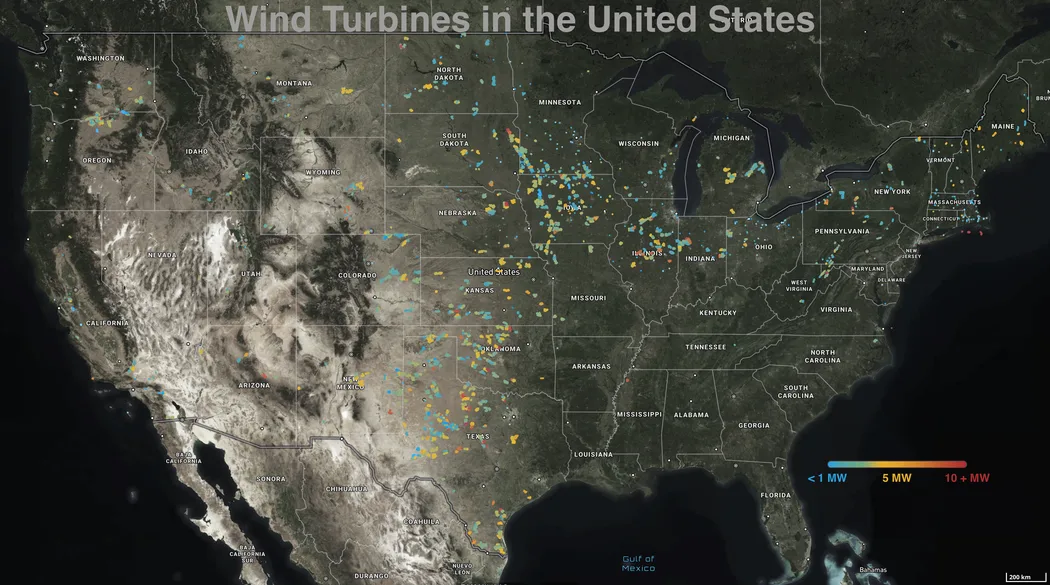
U.S. figures unless marked global. Each measure has its own reporting period.
Coal supplied a third of U.S. utility-scale electricity in 2015. By 2025 its share had halved, natural gas led, and renewables supplied almost a quarter.
| Year | Gas | Coal | Nuclear | Renew. | Other |
|---|---|---|---|---|---|
| 2015 | 32.7% | 33.2% | 19.5% | 13.3% | 1.2% |
| 2020 | 40.6% | 19.3% | 19.7% | 19.5% | 0.9% |
| 2025 | 40.9% | 16.6% | 17.7% | 24.0% | 0.7% |
Selected Census divisions, August 2026. EIA preliminary averages in cents per kilowatt-hour. Bills also depend on usage and the local rate structure. EIA regional table
In August 2026, residential electricity averaged 28.31¢ per kWh in New England and 18.16¢ nationally. Fuel prices, utility investments, and how costs are spread across customers all affect bills.
EIA electricity pricesData centers and other large customers can add demand before utilities finish new lines or power plants. Regulators are examining how to connect them while protecting reliability and existing customers.
FERC large-load proceedingsExtreme heat, heavier rainfall in many regions, and other climate-driven hazards expose homes, infrastructure, and public health. Cutting emissions limits future warming. Adaptation reduces harm from risks already present.
Fifth National Climate AssessmentEach approach has implications for bills, reliability, emissions, and the communities where projects are built.
What changes. Credits can encourage wind, solar, and other low-emission power. Other approaches ease licensing for nuclear projects or keep gas and existing plants available during high demand.
Tradeoffs. Wind and solar use no fuel but their output varies with the weather. Storage, transmission, and power that can run on demand help cover gaps. Gas has ongoing fuel and emissions costs. Nuclear provides steady low-carbon power and can take years to finance and build.
What changes. Permitting bills propose deadlines and changes to environmental review. Grid measures would upgrade existing lines or change how utilities connect new projects and decide who pays.
Tradeoffs. Faster approvals can cut delays. Siting rules also affect landowners, Tribal consultation, and conservation. Large users can fund dedicated upgrades, while regional investments can benefit a wider group of customers.
What changes. Federal standards set common limits for covered sources. States can use tools such as power-sector targets or carbon markets, while federal tax incentives can lower the cost of cleaner equipment.
Tradeoffs. Common standards can drive reductions across state lines and impose compliance costs. State choices can fit local conditions, with different requirements and outcomes across the country. Incentives shift some of the cost to taxpayers.
Selected measures with national reach. Dates identify legislative action, enactment, or agency publication.
Senate substitute offered Nov 10 · Cloture vote scheduled Nov 16, 2026
The substitute would change federal environmental review and permit timelines, revise electricity transmission planning, and address generation projects waiting to connect to the grid. It uses a House-passed tax bill as the legislative vehicle.
Congressional Record, amendment text · Senate floor schedulePassed House Sep 15 · Referred in Senate Sep 16, 2026
Would direct FERC to designate high-performing transmission conductors and require their use in covered interstate projects, with exceptions. Upgrading wires can move more power along an existing route.
Text and Senate referralPassed Senate Sep 30 · Held at House desk Oct 5, 2026
Would align NRC licensing for uranium enrichment with licensing for other fuel-cycle facilities. The bill changes regulatory treatment for a part of the domestic nuclear fuel supply chain.
Senate-passed text · Bill statusEnacted · Sep 25, 2026
Requires FERC to report annually to Congress on pending hydropower relicensing applications. The reporting gives lawmakers a regular way to see where reviews stand.
Public lawEnacted · Jul 4, 2025 · Wind and solar construction threshold Jul 4, 2026
Wind and solar projects that begin construction after July 4, 2026 generally lose eligibility for the clean electricity production and investment credits if they are placed in service after Dec 31, 2027. IRS guidance explains how to establish the start of construction.
Public law, §§ 70512–70513 · IRS guidanceEnacted Jul 9, 2024 · Implementation underway
Directs NRC to improve advanced-reactor licensing and review timelines and supports its workforce. The agency is carrying out the law through multiple licensing and regulatory initiatives.
Public law · NRC implementationPartial repeal published Sep 17 · Effective Nov 16, 2026
The final rule repeals emissions guidelines for existing fossil-fuel steam units and carbon-capture-based standards for some coal modifications and new baseload gas turbines. A separate proposal would remove all remaining greenhouse gas requirements for fossil-fuel plants.
Final rule · Broader proposalFinal rule published · Feb 18, 2026
The rule rescinds EPA’s 2009 finding under the vehicle provision of the Clean Air Act and repeals greenhouse gas standards for motor vehicles and engines. Petitions for review are pending.
Federal Register · Pending challengeProposed · Oct 27, 2026
The proposal revisits requirements for new and existing oil and gas sources, including leak-monitoring and equipment provisions. The rulemaking remains open.
Proposed rule textShow-cause proceedings · Responses due Nov 16 and Nov 20, 2026
Regional grid operators must address whether their tariffs fairly assign costs and protect reliability when data centers and other large customers connect. FERC is gathering responses before deciding whether tariff changes are needed.
FERC dockets and deadlinesSelected decisions and pending cases with national implications. Status checked Nov 14, 2026.
Order vacated Sep 11, 2026 · Rehearing sought Oct 26 · D.C. Circuit
The court vacated an emergency order keeping Michigan’s J.H. Campbell coal plant available to run. It held that DOE had not shown an electricity shortage risk serious and immediate enough to justify the particular order.
Why it matters. The opinion limits how DOE can use federal emergency authority to keep plants open. It addressed one order, and DOE issued a later order for the plant.
D.C. Circuit opinion · Rehearing filing summaryStay denied · Oct 5, 2026 · D.C. Circuit
The court denied a request to pause EPA’s rescission of the endangerment finding and vehicle greenhouse gas standards. The rule remained in place while the challenge proceeded.
Why it matters. The order left the nationwide vehicle regulation change in effect during litigation.
Court order and case filings · Pending merits reviewPetitions for review pending · D.C. Circuit
States, public health and environmental groups, and other petitioners challenge the rule under the Clean Air Act and administrative law.
Why it matters. The outcome will affect whether the repeal of federal greenhouse gas standards for cars and trucks stands.
Petitions, orders, and case summary · EPA final ruleArgued Oct 5, 2026 · Awaiting decision · U.S. Supreme Court
The Court is considering whether federal law precludes Boulder’s state-law climate claims against energy companies, and whether it has jurisdiction to decide the appeal.
Why it matters. A ruling on preemption could affect whether similar state-law climate damages suits can proceed elsewhere.
Supreme Court docket · Questions presented· Scheduled Senate vote
The Senate is scheduled to vote on ending debate on the Capito substitute.
Bill and floor scheduleand · FERC deadlines
Five grid operators’ responses are due Nov 16. Southwest Power Pool’s response is due Nov 20.
FERC proceedings· Scheduled close
COP31 in Antalya is scheduled to conclude. Watch for any published agreement on climate policy and implementation.
UNFCCC schedule· Scheduled data release
EIA’s next release updates measures including electricity generation and customer prices.
EIA release scheduleHow to tell if it’s working. Track household bills, the time it takes projects to connect, outages during high demand, and emissions by sector.
Signed a September 2025 California package that extended emissions pricing, increased bill credits, and enabled deeper integration with Western electricity markets.
California governor’s office ↗ Energy / Climate record →Introduced four amendments on Nov 11, 2026 to limit federal transmission siting authority and strengthen protections for affected landowners.
Senate office ↗ Energy / Climate record →On Nov 5, 2026, Pennsylvania announced efforts to speed grid connections for three projects adding generation and battery storage.
Pennsylvania governor’s office ↗ Energy / Climate record →Foreign relations · Countries and issues
Understand the U.S. relationship with a country, then explore the issues shaping it. Explore country relationships in the Americas and Europe, or follow significant developments involving the U.S. across the world.
Country profiles explain relationships and country-specific developments. In focus follows significant events, cooperation, and other developments with regional or wider effects.
Hover, focus, or tap a published country to preview the relationship.
Explore 35 country relationships in the Americas and Europe. Choose a region or search for a country or U.S. mission chief. Profiles put issues first, with sources and the officials responsible for U.S. engagement.
North America · Country relationship
A neighbor, defense ally, and deeply connected trading partner.
The U.S. and Canada share continental defense, integrated industries, and extensive family and business ties. Close cooperation coexists with disputes over tariffs, market access, and each country's priorities.
Embassy lead: Pete Hoekstra
North America · Country relationship
A neighbor connected through manufacturing, migration, and a shared border.
The U.S.–Mexico relationship combines integrated production and deep human connections with difficult questions about migration, organized crime, and sovereignty. Trade, diplomacy, and law enforcement run through distinct channels.
Embassy lead: Ronald D. Johnson
Europe · Country relationship
A close ally whose trade, technology, and security ties reach far beyond the Atlantic.
The U.S.–UK relationship joins a NATO alliance to major services, investment, research, and cultural links. Close cooperation does not settle every disagreement: trade implementation, technology rules, and the division of defense responsibilities remain practical tests of the partnership.
Embassy lead: Warren Stephens
Central America · Country relationship
A Caribbean-facing neighbor connected through tourism, trade, and regional security.
Belize connects Central America and the Caribbean. U.S. ties combine visitor spending, agricultural commerce, maritime cooperation, and support for democratic institutions; Belize’s sovereignty and its territorial dispute with Guatemala remain distinct diplomatic questions.
Embassy lead: André Bauer
Central America · Country relationship
A democratic partner tied to advanced manufacturing, tourism, and civilian security.
Costa Rica’s relationship with the U.S. extends from medical-device supply chains and tourism to conservation and law enforcement. Its lack of a standing army makes civilian institutions central to security cooperation.
Embassy lead: Melinda Hildebrand
Central America · Country relationship
Deep family and economic ties alongside consequential security and rights debates.
The U.S.–El Salvador relationship combines a large diaspora, remittances, apparel production, and CAFTA–DR with migration and security cooperation. Debates over detention, due process, and democratic checks are central to assessing that cooperation.
Embassy lead: Naomi Fellows
Central America · Country relationship
A major migration and trade relationship shaped by governance, security, and history.
Guatemala’s ties with Washington connect manufacturing and agriculture, remittances, migration, and anti-trafficking cooperation. Democratic institutions, corruption, and the legacy of U.S. intervention are essential context.
Embassy lead: Jorgan K. Andrews
Central America · Country relationship
A longstanding security relationship connected to manufacturing, migration, and disaster resilience.
Honduras and the U.S. are linked through apparel supply chains, family networks, migration, and security cooperation. Historical military ties sit alongside contemporary debates about institutions, accountability, and economic opportunity.
Embassy lead: Colleen Anne Hoey
Central America · Country relationship
Continuing economic and family ties amid severe political and diplomatic strains.
Trade and diaspora links connect Nicaragua with the U.S., while repression, sanctions, and diplomatic disputes constrain government relations. Treaty trade rules, targeted restrictions, and diplomatic accreditation are separate questions.
Embassy lead: Elias Baumann
Central America · Country relationship
A strategic maritime crossroads with a sovereign canal and deep commercial ties.
The Panama Canal makes the relationship globally consequential. Commerce, port infrastructure, migration, and security cooperation sit alongside a history that makes Panamanian sovereignty central to any discussion of U.S. access or influence.
Embassy lead: Kevin Marino Cabrera
South America · Country relationship
A major regional economy linking agriculture, energy, investment, and international finance.
Argentina’s relationship with the U.S. combines agriculture and industrial trade, energy and mineral investment, and financial diplomacy. Cooperation does not erase differences over commercial access, domestic economic policy, or regional priorities.
Embassy lead: Peter Lamelas
South America · Country relationship
A relationship being rebuilt around diplomacy, development, and difficult historical legacies.
Bolivia’s relationship with the U.S. has been shaped by disputes over sovereignty, drug policy, and diplomatic representation. Renewed engagement creates openings in health, trade, and investment, while mineral resources and domestic institutions remain important context.
Embassy lead: Erik Martini
South America · Country relationship
A continental-scale relationship spanning trade, energy, climate, and global diplomacy.
Brazil and the U.S. are large, diverse economies with substantial trade and investment. Cooperation in energy, science, and defense coexists with disputes over tariffs, sovereignty, and how each country approaches global institutions and other powers.
Embassy lead: Gabriel Escobar
South America · Country relationship
A Pacific partner linked through a trade agreement, critical minerals, and scientific cooperation.
Chile and the U.S. have longstanding commercial ties through a bilateral free-trade agreement. Copper and lithium, renewable energy, research, and Pacific diplomacy sit alongside a history of U.S. involvement during Chile’s Cold War political upheaval.
Embassy lead: Brandon Judd
South America · Country relationship
A major security partner whose relationship also rests on trade, peacebuilding, and communities.
Colombia’s relationship with the U.S. includes extensive security cooperation, a trade agreement, and strong social ties. Counter-drug policy, implementation of peace commitments, rural development, and civilian protection require distinct measures of progress.
Embassy lead: Hugo Guevara
South America · Country relationship
A dollarized Pacific economy facing urgent security pressures and major trade decisions.
Ecuador and the U.S. are connected by energy and agricultural commerce, migration, and growing law-enforcement cooperation. Security partnerships must be read alongside national authority, judicial safeguards, and disputes about the use of force.
Embassy lead: Lawrence Petroni
South America · Country relationship
A fast-changing oil economy with Caribbean institutions and a consequential territorial dispute.
Offshore energy has made Guyana increasingly important to U.S. business and regional diplomacy. Maritime security, the dispute with Venezuela, public institutions, and how oil wealth benefits communities are central to understanding the relationship.
Embassy lead: Nicole D. Theriot
South America · Country relationship
A landlocked partner linked through agriculture, investment, and anti-crime cooperation.
Paraguay’s relationship with Washington combines agricultural commerce, business ties, and cooperation against organized crime and corruption. Its position in the Paraná–Paraguay river system and its diplomatic relationship with Taiwan add regional context.
Embassy lead: Robert Alter
South America · Country relationship
A Pacific trade partner connecting minerals, agriculture, security, and cultural exchange.
The U.S.–Peru relationship combines a trade promotion agreement with cooperation on security, environmental enforcement, and cultural heritage. Mineral resources and Pacific infrastructure create opportunities alongside governance and environmental challenges.
Embassy lead: Bernardo Navarro
South America · Country relationship
A Caribbean-linked South American partner entering a new phase of resource investment.
Suriname’s relationship with the U.S. connects trade, investment, public institutions, and regional security. Offshore energy interest sits alongside an existing resource economy, environmental concerns, and links through CARICOM.
Embassy lead: Rosalyn N. Wiese
South America · Country relationship
A stable democratic partner connected through agriculture, services, and investment rules.
Uruguay’s relationship with the U.S. rests on commerce, investment, education, and diplomatic cooperation. Its regional commitments and independent decisions remain important alongside shared interests in transparent institutions and predictable rules.
Embassy lead: Luigi Rinaldi
South America · Country relationship
An exceptionally consequential relationship involving political transition, oil, and U.S. power.
Venezuela’s relationship with the U.S. changed dramatically after the January 2026 capture of Nicolás Maduro. Restored diplomatic engagement, oil-revenue arrangements, sanctions, and the prospect of democratic transition are separate but connected tracks.
Embassy lead: John M. Barrett
Caribbean · Country relationship
Tourism, maritime cooperation, and disaster resilience across two distinct islands.
U.S. ties with Antigua and Barbuda combine tourism and goods trade with maritime security and regional diplomacy. The two islands have different recovery and development needs, highlighted by Hurricane Irma’s devastation of Barbuda.
Embassy lead: Karin B. Sullivan
Caribbean · Country relationship
A close maritime neighbor tied to tourism, finance, and coordinated border security.
Geographic proximity makes The Bahamas important to U.S. travel, maritime security, and disaster response. Tourism, financial services, and trade create a relationship much broader than the goods balance alone.
Embassy lead: Herschel Walker
Caribbean · Country relationship
A regional diplomatic hub connecting tourism, climate resilience, and maritime cooperation.
Barbados hosts the U.S. embassy that also covers six Eastern Caribbean countries. Its own bilateral relationship combines tourism, business, education, regional security, and advocacy on climate and development finance.
Embassy lead: Karin B. Sullivan
Caribbean · Country relationship
Close societies and difficult government relations shaped by sanctions, rights, and migration.
Cuba and the U.S. have deep family and cultural connections despite a restrictive economic and political relationship. Diplomatic representation, sanctions, authorized commerce, migration, and human-rights concerns operate through different legal channels.
Embassy lead: Mike Hammer
Caribbean · Country relationship
A small-island relationship centered on resilience, communities, and regional cooperation.
Dominica’s U.S. relationship combines tourism and modest goods trade with disaster preparedness, education, and maritime security. It is a different country from the Dominican Republic and is covered by the U.S. mission in Bridgetown.
Embassy lead: Karin B. Sullivan
Caribbean · Country relationship
A major Caribbean trade and tourism partner with extensive diaspora connections.
The Dominican Republic’s ties with the U.S. include manufacturing, tourism, a large diaspora, and CAFTA–DR. Its border with Haiti adds humanitarian, migration, and security questions that should not be conflated with Haiti’s own institutions.
Embassy lead: Leah Francis Campos
Caribbean · Country relationship
Tourism, education, and resilience sit alongside a consequential intervention history.
Grenada’s ties with the U.S. include visitors, students, maritime cooperation, and disaster response. The 1983 U.S.-led intervention is essential historical context, while contemporary relations involve sovereign institutions and regional diplomacy.
Embassy lead: Karin B. Sullivan
Caribbean · Country relationship
A relationship dominated by civilian security, political legitimacy, and humanitarian needs.
Haiti’s relationship with the U.S. combines international security support, humanitarian assistance, diaspora ties, and trade. The roles of Haitian institutions, the UN-authorized mission, other deployments, and private security actors must remain distinct.
Embassy lead: David Howell
Caribbean · Country relationship
Dense cultural and family ties alongside tourism, commerce, and maritime cooperation.
Jamaica’s relationship with the U.S. connects diaspora communities, music and culture, tourism, business, and security cooperation. Economic opportunity and accountable institutions matter alongside efforts against transnational crime.
Embassy lead: Scott Renner
Caribbean · Country relationship
A two-island federation connected through tourism, education, and regional institutions.
U.S. ties with Saint Kitts and Nevis combine visitor spending, imported supplies, education, and regional cooperation. Federal and island-level institutions have distinct responsibilities, and U.S. diplomatic coverage comes through Bridgetown.
Embassy lead: Karin B. Sullivan
Caribbean · Country relationship
Tourism and community links supported by regional diplomacy and resilient institutions.
Saint Lucia’s relationship with the U.S. combines tourism, goods trade, education, maritime cooperation, and disaster preparedness. Bridgetown provides diplomatic coverage, while Saint Lucian authorities retain their own national responsibilities.
Embassy lead: Karin B. Sullivan
Caribbean · Country relationship
A multi-island relationship linking communities, maritime cooperation, and disaster resilience.
U.S. ties with Saint Vincent and the Grenadines combine trade, visitors, education, and regional security. The main island and the Grenadines face different logistical and recovery challenges, making island-level context important.
Embassy lead: Karin B. Sullivan
Caribbean · Country relationship
An energy and industrial partner at the intersection of Caribbean security and Venezuelan diplomacy.
Energy, petrochemicals, business, and maritime cooperation make Trinidad and Tobago a distinctive U.S. partner. Proximity to Venezuela connects sanctions and regional diplomacy to practical commercial and security decisions.
Embassy lead: Philip Kern
Ten developments with substantial U.S. involvement and regional or wider consequences. Follow what changed and the next milestone. Numbers match the map; the AI partnership spans regions and is plotted near the U.S.
These remain important. A consequential new development can bring them into the main highlights.
A consequential arms decision, delivery, or escalation—not routine activity alone.
A confirmed meeting or substantive agreement, rather than a suggested encounter.
Concrete outcomes from partner meetings; summit context is in the APEC briefing.
A specific defense or trade decision beyond the Ukraine negotiations already highlighted.
Consequential outcomes by Nov 20. Distinguish U.S. state and local participation from federal policy.
Donald Trump’s second administration puts more emphasis on the Americas, trade leverage, and allies’ own defense spending. Joe Biden’s 2022 strategy put alliances and cooperation with other countries at the center of competition with China and the response to Russia’s invasion of Ukraine. Both administrations treat China as a strategic competitor.
Trump’s strategy gives the Western Hemisphere higher priority, linking regional policy to migration, cartels, and rival powers’ influence. His administration has used broad tariffs and negotiated exemptions and rates with trading partners.
Biden organized allied support for Ukraine. Trump has pushed allies to spend more on defense while the U.S. has joined European partners in talks on ending the war. NATO allies agreed in 2025 to aim for 5% of GDP on defense and related security by 2035.
Both administrations helped broker Gaza ceasefires and backed Israel militarily. Trump’s administration has also proposed an international role in Gaza’s postwar governance and fought Iran directly in 2026.
South Asia · Reviewed
India and the United States are still negotiating the first part of a trade agreement. Defense ties and the Quad give Washington and New Delhi ways to cooperate despite differences over tariffs and India’s ties with Russia.
A framework still under negotiation
The February joint statement outlined market access and tariffs. Reuters reported on Nov 10 that officials were still working to finalize the first tranche. The published framework and the terms that customs authorities implement are separate milestones.
Cooperation through equipment and production
Congressional analysts describe U.S. equipment sales, exercises and defense technology cooperation. Joint production and technology sharing depend on specific approvals and terms. India makes its own procurement choices and retains ties with Russia.
India, Japan, Australia and the U.S.
The grouping gives the four partners a forum on regional security, technology and maritime cooperation. India participates while maintaining its own foreign policy. Reuters reported a possible leaders’ meeting around the Manila summit.
Trade
President Donald Trump and Prime Minister Narendra Modi set the framework for talks. U.S. negotiators visited India in November, according to an Indian official cited by Reuters. A signed text and tariff notices would clarify coverage and timing.
Indo-Pacific policy
Washington works through bilateral defense channels and the Quad. It can agree to joint activities and offer technology. India’s participation depends on decisions in New Delhi.
A political framework is evidence of agreed negotiating terms. Use customs or tariff notices to establish what applies to a shipment.
The reported Tuesday meeting depends on leaders’ schedules.
India’s nonalignment tradition evolved into an approach that works with multiple major powers while preserving room for independent decisions.
India, the U.S., Japan and Australia revived four-way dialogue, adding a regular forum alongside bilateral defense ties.
East Asia · Reviewed
Japan’s foreign minister and the U.S. secretary of state met in Paris on Nov 9. A day later, Japan and the U.S. joined Australia and the Philippines in announcing closer defense coordination. The alliance also has separate talks on extended deterrence and economic security.
What the treaty covers
Article V sets the defense commitment for covered territory. Article VI governs access to facilities under separate arrangements. These provisions explain how the U.S. can be present in Japan and what triggers a commitment.
How Tokyo and Washington consult
The June dialogue discussed U.S. deterrence and Japan’s own defense policy. Consultation allows both governments to plan together while retaining national decisions about their forces.
Japan works with other partners
The Nov 10 joint statement with Australia, the Philippines and the U.S. announced a planned coordination center in the Philippines and closer consultations. The arrangement sits alongside Japan’s bilateral treaty with Washington.
Alliance management
Foreign Minister Toshimitsu Motegi and Secretary of State Marco Rubio reaffirmed coordination on Nov 9. Prime Minister Sanae Takaichi’s government makes Japan’s defense and industrial decisions.
Regional policy
The U.S. and Japan work with Australia and the Philippines on regional security. In a different grouping, they work with India and Australia through the Quad. The memberships and purposes of the two groups differ.
The statement sets an objective for future coordination.
Look for specific commitments from both governments.
The treaty formalized mutual defense and access to facilities in Japan under separate arrangements.
Bilateral deterrence talks continued alongside four-country cooperation in East Asia.
Middle East · Reviewed
Gulf governments are balancing ties with Washington against the risks of a wider confrontation with Iran. Trump said Saudi Arabia and Qatar wanted a negotiated solution. Shipping disruptions make de-escalation an economic issue as well as a security one.
Energy policy and regional defense
Crown Prince Mohammed bin Salman’s government is a major U.S. security partner. Its petroleum exports and regional security interests make an escalation costly. Trump attributed to Riyadh a preference for an agreement with Iran.
A trade hub with its own security priorities
President Mohamed bin Zayed’s government maintains close U.S. security relations. A congressional report notes that commercial competition and diplomatic differences with Saudi Arabia complicate efforts to align their regional policies.
Diplomatic channels and LNG
Emir Sheikh Tamim bin Hamad Al Thani’s government combines U.S. security ties, mediation and LNG exports. Qatar and Türkiye signed a separate mutual-defense agreement on Nov 13.
Diplomacy
Trump said Saudi Arabia and Qatar favored a negotiated solution. The U.S. can consult partners and decide its own policy toward Iran. Gulf governments make their own decisions about mediation and bilateral defense agreements.
Security and energy
Washington maintains longstanding Gulf defense relationships. EIA’s transit figures describe how important the route was over named reporting periods. Shipping activity and the political status of any agreement can change separately.
Compare traffic, incidents and any announced agreement over the same period.
The reported positions are distinct from confirmed terms involving Iran.
Saudi Arabia, the UAE, Qatar, Bahrain, Kuwait and Oman belong to the GCC. Members also maintain individual relationships with Washington.
The conflict with Iran heightened risk to shipping through Hormuz and exposed different vulnerabilities across the six states.
Southeast Asia · Reviewed
The Philippines and the U.S. joined Japan and Australia in announcing closer defense coordination on Nov 10. The separate U.S.–Philippines treaty frames Washington’s response to armed attacks. ASEAN’s talks with China concern how governments handle disputes at sea.
An armed attack can trigger obligations
The 2023 guidelines explicitly include coast guards. An incident reported as harassment or a collision does not by itself establish that it meets the treaty’s armed-attack threshold. Both sides act through their constitutional processes.
Maritime rights and land sovereignty
The tribunal ruled on maritime entitlements and rejected claims to historic rights beyond the law of the sea. It did not decide sovereignty over islands. Beijing rejects the award.
Negotiating conduct at sea
Manila chairs ASEAN in 2026. ASEAN and China have been negotiating a code of conduct. Reporting in November says they made progress and cannot finish talks this year.
Defense
Washington maintains the treaty with the Philippines. The Nov 10 statement also announced plans for a four-country coordination center in the Philippines. It is a separate arrangement from the bilateral treaty.
Diplomacy
President Ferdinand Marcos Jr.’s government hosts the Manila summit. AP reported that Trump planned to join meetings with ASEAN and with the Quad. The U.S. participates in regional diplomacy while ASEAN and China negotiate their own code.
The statement establishes an objective. Publication of implementing terms would clarify how coordination works.
A draft or political statement does not establish a binding code.
The 1951 treaty established the alliance. The 2023 guidelines clarify how the treaty applies to the contemporary maritime setting.
The tribunal issued its decision under the law of the sea after a case brought by the Philippines.
Europe and the Middle East · Reviewed
Türkiye hosted NATO’s July summit and signed a mutual-defense agreement with Qatar on Nov 13. The two developments reflect Ankara’s different roles in Europe and the Gulf. Washington’s defense relationship with Ankara still turns on separate U.S. legal questions involving the Russian S-400 system.
Cooperation through the alliance
President Recep Tayyip Erdoğan hosted allies in Ankara in July. The summit addressed collective defense, industrial capacity and support for Ukraine. Türkiye takes part in NATO decisions while retaining national control of bilateral arms purchases.
A different legal framework
Türkiye administers passage through the straits under the Montreux Convention. Merchant shipping and warship passage have different rules. The convention is distinct from NATO’s alliance commitments.
Ankara’s own partnerships
Ankara supports Syrian President Ahmed al-Sharaa’s government and welcomed the announcement that the Kurdish-led Syrian Democratic Forces would dissolve and integrate. Erdoğan and Qatar’s emir signed a separate mutual-defense agreement in November.
Alliance policy
Washington and Ankara both participate in the alliance. The July summit declaration reaffirmed collective defense and support for Ukraine. U.S. arms sales and sanctions go through separate authorities.
Arms policy
The Russian S-400 purchase led to restrictions and Türkiye’s removal from the F-35 program. Trump said in July he would consider an F-35 sale. A formal decision would need to address the relevant legal requirements.
Political comments alone do not establish a sanctions or procurement decision.
Track the agreement as a bilateral commitment distinct from Türkiye’s NATO membership.
The convention established the legal framework Türkiye uses to administer passage through the straits.
Türkiye joined NATO in 1952. Later defense disputes, including the S-400 purchase, complicated bilateral ties with Washington.
In focus · Reviewed
Greenland approved the U.S.–Denmark defense agreement on Nov 3. Danish parliamentary approval remains the next ratification step.
Reviewed Nov 17, 2026
The reported Danish vote timetable points to Nov 19. Treat that as a scheduled step, not an approval already obtained.
Ratification and implementation are different milestones. Follow official decisions and the terms governing actual defense access.
Background below was reviewed Nov 14, 2026. The update above was reviewed separately.
Defining U.S. access
Greenland is self-governing within the Kingdom of Denmark. Greenlandic Prime Minister Jens-Frederik Nielsen, Danish Prime Minister Mette Frederiksen and President Donald Trump signed the September agreement. It updates the 1951 arrangements and provides a process for changes to designated defense areas.
Parallel defense relationships
The U.S. and Canada operate NORAD for continental warning and defense functions. Greenland’s agreement is a separate arrangement within the North Atlantic treaty framework. Arctic military security also involves decisions by national governments and NATO.
Environmental and Indigenous participation
The council brings Arctic states and Indigenous Permanent Participants together on issues such as environmental protection and sustainable development. Its mandate covers civilian cooperation.
Greenland
Washington negotiated changes with Greenland and Denmark. The agreement defines defense areas and related procedures. It enters into force when the U.S. receives a diplomatic note confirming completion of the necessary procedures by Denmark together with Greenland.
North America
The U.S. and Canada jointly operate NORAD. The Greenland agreement and this binational command address different parts of regional security.
Domestic approval and the legal entry-into-force date are separate milestones.
Watch for dated decisions under the agreement and distinguish them from general alliance statements.
The original defense agreement governs U.S. defense access in Greenland. The 2004 Igaliku agreement amended and supplemented it.
The September agreement adds new terms, with parliamentary procedures in Greenland and Denmark before entry into force.
In focus · Reviewed
Canada reported progress in bilateral talks on Nov 14, while USTR is consulting ahead of the 2027 annual USMCA review.
Reviewed Nov 17, 2026
The first joint review took place in July 2026. Preparations for the 2027 annual review should not be presented as the first review of the agreement.
A bilateral tariff arrangement and a three-country decision on treaty extension are different outcomes. Read the country profiles for their specific market-access issues.
Background below was reviewed Nov 14, 2026. The update above was reviewed separately.
Rules for regional trade.
The joint review can extend the agreement if all three countries confirm. A year without unanimous extension triggers another annual review and keeps the agreement in force for now.
A binational command.
NORAD carries out aerospace warning and control and maritime warning. Procurement, budgets and most border administration remain national decisions.
Bilateral coordination.
Mexico and the U.S. coordinate on migration, weapons trafficking and organized crime. Mexico requires its own authorization for security cooperation involving foreign personnel.
Trade
U.S. Trade Representative Jamieson Greer is taking public input ahead of the 2027 review. Congress receives information under implementing law. Bilateral concessions would need to be distinguished from a three-country extension.
Security
Washington shares a standing defense command with Ottawa. With President Claudia Sheinbaum’s government it uses a bilateral group for border and law enforcement. The choice of forum shapes what each partner can agree to.
Check whether any announced commitments are bilateral or made by all three under Article 34.7.
Check customs implementation as well as political announcements. Mexico’s negotiations follow a separate track.
USMCA replaced NAFTA in 2020 and added its own six-year joint-review mechanism.
The first joint review did not produce unanimous confirmation of a 16-year extension, so the annual track continues.
Country relationship · North America · Reviewed
A neighbor, defense ally, and deeply connected trading partner.
The U.S. and Canada share continental defense, integrated industries, and extensive family and business ties. Close cooperation coexists with disputes over tariffs, market access, and each country's priorities.
Trade
Automotive supply chains, energy infrastructure, and agriculture connect producers and customers on both sides.
Defense
NORAD is a binational command. NATO is a separate alliance; neither removes each government's national decisions.
People
Families, tourism, education, and communities connect the countries beyond their capitals.
Trade figures are dated estimates, not a live counter. All amounts are U.S. dollars.
$872.3bnTwo-way goods and services trade · 2025
Energy, vehicles, machinery, and agriculture help explain the scale of the relationship. Goods may cross the border within a supply chain before becoming a finished product. USMCA sets common rules, while sector-specific measures and disputes can still affect access.
Goods only in these bars; services are included in the larger total alongside them. A trade balance alone does not measure the value of a relationship.
| Measure | Amount |
|---|---|
| U.S. goods exports | $333.6bn |
| U.S. goods imports | $381.9bn |
| Goods and services, both directions | $872.3bn |
Country developments · Reviewed
Tariffs and integrated production.
An autos or metals decision affects companies selling finished products and suppliers feeding plants across the border. Preference under USMCA and a sector-specific tariff are distinct questions.
Cross-border infrastructure.
Canadian oil, gas and electricity connect to U.S. markets through established infrastructure. Trade policy, permitting and regional transmission decisions operate on different timelines.
Negotiations
Trump and Carney resumed substantive conversations, according to Carney. The U.S. and Canada still face sector-specific trade questions, and USTR is separately preparing the 2027 regional review.
The countries are NATO allies and operate NORAD together for aerospace warning, aerospace control, and maritime warning. Those arrangements sit alongside national budgets, procurement choices, and decisions about deployments.
Cooperation does not mean every policy aligns: defense investment, Arctic infrastructure, and trade restrictions can become separate negotiations.
Country developments · Reviewed
Shared continental warning.
NORAD combines U.S. and Canadian personnel and responsibilities. Canadian defense investments are made in Canada’s budget, including phased investments in northern surveillance.
Defense
The two countries jointly carry out warning and aerospace defense. Commitments need follow-through through budgets, procurement and coordination with northern and Indigenous partners.
Tourism, study, work, family relationships, and Indigenous communities spanning the border make changes in travel and border policy tangible. Cross-border infrastructure links local economies as well as national energy systems.
Watch the practical rules: entry requirements, border processing, and changes affecting students, workers, and businesses. A close relationship does not mean unrestricted entry.
Diplomacy, cooperation, disagreements, and decisions to watch in this relationship.
Country developments · Reviewed
Statements about progress leave the coverage, rates and effective dates of any relief open.
The joint mission and each government’s spending commitments are separate.
Selected milestones that explain the relationship today.
The U.S. and Canada join the original members of the North Atlantic alliance.
A binational command becomes a central institution of continental defense.
The Canada–U.S. Free Trade Agreement takes effect; NAFTA later expands the framework to include Mexico.
The three-country agreement enters into force on July 1, with its own trade rules and review process.
Country developments · Reviewed
The two governments created a binational defense command, which evolved to include maritime warning.
USMCA took effect in 2020. The scheduled review created a forum for extension decisions alongside bilateral negotiations.
Key U.S. interlocutors: the officials leading diplomacy, trade, and security coordination. These are selected federal leads, not an exhaustive directory.
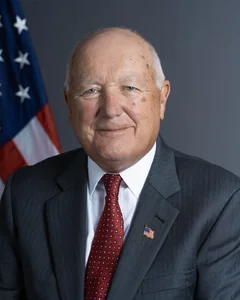
Embassy leadership
U.S. Ambassador to Canada
Leads the U.S. diplomatic mission in Canada and engages Canada's government on the bilateral agenda. The embassy coordinates work across U.S. agencies represented in the country.
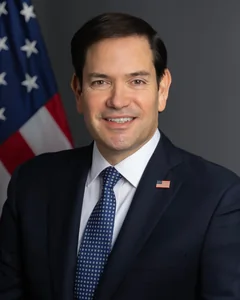
Diplomacy
Secretary of State
Leads State Department diplomacy, including senior discussions on bilateral relations, allies, and international security. The ambassador works within that diplomatic chain.

Trade negotiations
U.S. Trade Representative
Leads U.S. trade negotiations and USMCA implementation. Trade rules and dispute settlement are a different channel from the embassy's broader diplomatic role.

Border coordination
Secretary of Homeland Security
Oversees DHS, including U.S. border and customs agencies. The department coordinates with Canadian authorities on border management, travel, and cross-border security.
Senate confirmation authorizes an appointment; it is not a swearing-in date. Swearing in marks the oath of office. An ambassador's presentation of credentials is a separate step with the receiving government. Each date above is labeled for the event the source verifies. The officials and roles were reviewed on Nov 16, 2026 and may change.
Country relationship · North America · Reviewed
A neighbor connected through manufacturing, migration, and a shared border.
The U.S.–Mexico relationship combines integrated production and deep human connections with difficult questions about migration, organized crime, and sovereignty. Trade, diplomacy, and law enforcement run through distinct channels.
Trade
Vehicles, electronics, medical devices, and agriculture connect suppliers, workers, and customers.
Security
Crime and trafficking cross borders. Joint work still depends on each country's laws, institutions, and consent.
People
Family networks, travel, work, and border communities make this relationship much larger than migration enforcement.
Trade figures are dated estimates, not a live counter. All amounts are U.S. dollars.
$964.1bnTwo-way goods and services trade · 2025
Manufacturing networks link vehicles, electronics, medical devices, and textiles across the border. Agricultural trade matters in both directions. USMCA provides common trade rules, but bilateral disagreements and separate tariff measures can still affect companies and workers.
Goods only in these bars; services are included in the larger total alongside them. A trade balance alone does not measure the value of a relationship.
| Measure | Amount |
|---|---|
| U.S. goods exports | $337.3bn |
| U.S. goods imports | $534.3bn |
| Goods and services, both directions | $964.1bn |
Country developments · Reviewed
Production crosses the border.
USMCA sets origin and market-access rules. Bilateral talks can address a U.S.–Mexico sticking point, while extending the regional pact requires Canada too.
Trade
Greer’s office conducted bilateral talks over USMCA-related issues in 2026 and opened the 2027 consultation. Watch the difference between a tariff threat, a published tariff action and a jointly agreed rule.
The countries cooperate against organized crime and trafficking while debating responsibilities, methods, and limits. Mexico's consent and institutions matter: cooperation is not the same as U.S. authority to operate independently in Mexico.
Migration policy, fentanyl, weapons trafficking, and law-enforcement cooperation interact, but they are not a single policy or a single agency's responsibility.
Country developments · Reviewed
Coordination and sovereignty.
The bilateral group coordinates against drug, arms and other trafficking. Mexico’s foreign ministry says security cooperation projects must comply with Mexican authorization requirements.
Security
Joint work addresses fentanyl, organized crime and weapons trafficked into Mexico. Each country retains authority for operations on its territory.
Family ties, work, tourism, education, and daily life in border communities give policy changes immediate personal consequences. The relationship also includes shared resources, including treaty-governed water along the border.
Distinguish migration enforcement from legal travel, commercial crossings, and cross-border community life. Changes in one channel can affect the others.
Country developments · Reviewed
Border decisions on both sides.
U.S. admission and enforcement decisions are American. Mexican authorities manage migration within Mexico. The Nov 13 claims describe the status of a group on that date.
Diplomacy, cooperation, disagreements, and decisions to watch in this relationship.
Country developments · Reviewed
The Nov 13 report covered a group forming in southern Mexico. Its movements can change.
A U.S.–Mexico arrangement would be separate from unanimous action under the regional review.
Selected milestones that explain the relationship today.
The U.S. recognizes independent Mexico, beginning a long relationship shaped by cooperation and conflict.
Mexico, Canada, and the U.S. enter a common regional trade framework.
The successor agreement enters into force on July 1, including updated rules and a review process.
A bilateral implementation group provides a forum for security and law-enforcement cooperation.
Country developments · Reviewed
USMCA replaced NAFTA and introduced its own review rules.
The governments formed an implementation group to organize security and law-enforcement cooperation.
Key U.S. interlocutors: the officials leading diplomacy, trade, and security coordination. These are selected federal leads, not an exhaustive directory.
Embassy leadership
U.S. Ambassador to Mexico
Leads the U.S. diplomatic mission in Mexico and engages Mexico's government across the bilateral agenda. The embassy helps coordinate U.S. agencies working in the country.
Diplomacy
Secretary of State
Leads State Department diplomacy and senior bilateral discussions, including regional security and cooperation with Mexico's foreign ministry.
Trade negotiations
U.S. Trade Representative
Leads U.S. trade negotiations, USMCA implementation, and trade-dispute work. Manufacturing rules and market-access questions belong in this channel.
Border coordination
Secretary of Homeland Security
Oversees DHS, including U.S. border, customs, and immigration-enforcement agencies. The department is a key participant in border-management and migration coordination with Mexico.
Senate confirmation authorizes an appointment; it is not a swearing-in date. Swearing in marks the oath of office. An ambassador's presentation of credentials is a separate step with the receiving government. Each date above is labeled for the event the source verifies. The officials and roles were reviewed on Nov 16, 2026 and may change.
Regional briefing · Reviewed
The Trump administration has put more weight on migration, organized crime and U.S. influence in the region. Its approach ranges from cooperation with Colombia to economic pressure and diplomatic engagement in Venezuela.
Counternarcotics and sovereignty.
President Abelardo de la Espriella took office Aug 7 and sought closer U.S. cooperation against trafficking. The two governments still have to decide what support to provide and how to judge results.
UN-authorized security support.
The Security Council extended the Gang Suppression Force and UN support office mandates through Mar 31, 2027. The force depends on contributing countries and financing, and Haiti’s political transition remains a separate question.
Different reasons to negotiate.
Brazil is contesting U.S. tariffs and defending its policy autonomy. In Venezuela, Treasury uses licensing alongside diplomatic engagement under interim authorities. The two country profiles explain the distinct agreements and disputes.
Strategy
The White House strategy links border policy to partnerships in the Americas. U.S. officials can offer assistance and negotiate cooperation, while partner governments decide what they will authorize.
Multilateral diplomacy
In Haiti, the OAS called for renewal and the UN Security Council approved it. Force contributors and Haitian institutions determine what the mandate can accomplish on the ground.
The deadline is a mandate date. A renewal vote and improvements on the ground are separate measures.
Follow official agreements and resources to see how the request translates into policy.
U.S. policy in the region has combined trade, security assistance and diplomacy, with different agreements and priorities by country.
The 2025 strategy made the hemisphere a priority. The Haiti mandate and U.S. measures toward Venezuela illustrate the different instruments in use.
In focus · Reviewed
Ukraine reported new discussions with U.S. and European officials on Nov 16. Russia disputed that European participation in the next round was settled.
Reviewed Nov 17, 2026
European participation should be described as contested, rather than guaranteed. New conversations and public statements do not establish an agreed settlement.
Security guarantees raise practical questions about who would make commitments, what they cover, and how they would be implemented.
Background below was reviewed Nov 14, 2026. The update above was reviewed separately.
Ukraine rejects giving up land.
Zelenskyy said the U.S. raised whether Ukraine would yield the part of Donbas still held by Ukraine in a scenario involving NATO membership. This was his account of a question in talks. It does not establish an offer from NATO.
Credibility and enforcement.
The Nov 10 group called for credible guarantees. Details still matter: which states commit, what they promise, and what would trigger action. Russian demands for a broader European security discussion complicate the talks.
Terms and monitoring.
Diplomatic contact and a verified ceasefire are separate milestones. A workable agreement would have to establish its scope, timing, and how reported violations are handled.
Mediation
The Trump administration is mediating. Zelenskyy has spoken with U.S. envoys Steve Witkoff and Jared Kushner. Russia’s President Vladimir Putin and the Ukrainian government retain responsibility for accepting terms.
Assistance
Congress and the administration have provided weapons, training and other security support through several authorities. European contributions and U.S. sales are distinct from U.S.-funded transfers.
The council agenda confirms a discussion and Ukrainian participation.
The joint statement expresses principles for a settlement. It does not set its operative terms.
Russia annexed Crimea and war began in eastern Ukraine, reshaping Ukraine’s relations with NATO and the U.S.
Russia’s full-scale invasion led to expanded U.S. and allied support for Ukraine and a broader confrontation over European security.
In focus · Reviewed
Winter rains are worsening shelter conditions while reconstruction remains stalled despite the U.S.-backed ceasefire framework.
Reviewed Nov 17, 2026
Announced reconstruction plans are different from reconstruction underway. Track access, financing, security conditions, and implementation separately.
Winter shelter is an immediate humanitarian question. Longer-term governance, withdrawal, and disarmament arrangements remain distinct political tracks.
Background below was reviewed Nov 14, 2026. The update above was reviewed separately.
Select a place on the map to jump to its briefing.
A ceasefire with ongoing strikes.
The Gaza health ministry reported 1,613 conflict-related deaths since the ceasefire through Nov 9, according to the UN. The UN also reported flooding affected about 46,000 households. On Nov 14, hospital officials reported two Palestinians killed in Jabaliya. Israel’s military said it had struck two Hamas militants there.
Settlements, movement and displacement.
The UN recorded 52 settler attacks involving casualties or property damage and 150 Palestinians displaced by Israeli demolitions in its Nov 3–9 reporting period. The E1 development east of Jerusalem could further fragment the West Bank. The UN estimates about 4,000 Palestinians in 18 communities are at risk of forced displacement.
A dispute over sovereignty and a future capital.
The U.S. recognizes Jerusalem as Israel’s capital. Its 2017 proclamation left specific boundaries of Israeli sovereignty to final-status negotiations. Palestinian Authority President Mahmoud Abbas calls for a Palestinian state with East Jerusalem as its capital. The UN also reported new residential demolitions in East Jerusalem.
Diplomacy
President Donald Trump pressed caretaker Prime Minister Benjamin Netanyahu to move ahead in early November, Axios reported. Secretary of State Marco Rubio, envoy Steve Witkoff, and adviser Jared Kushner joined the call. Egyptian Foreign Minister Badr Abdelatty and Qatari Prime Minister Mohammed bin Abdulrahman Al Thani help mediate. The U.S. can press for terms, and implementation depends on agreement and cooperation from the parties.
Military support
The 2016 memorandum sets a $3.8 billion annual framework through fiscal 2028, subject to congressional appropriations. Separately, the State Department approved a possible $1.98 billion tactical vehicle sale in January 2026. Trump said on Nov 3 that annual aid would end and arms sales would continue. The review found no enacted change or signed replacement agreement.
Recovery and aid
Trump chairs the Board of Peace. Under the UN-backed plan it coordinates recovery funding and oversees the civilian transition. The Palestinian Gaza committee, led by Ali Shaath, proposed 66 projects costing an estimated $2.45 billion over six months. Work depends on funding, access and conditions on the ground. The UN called for full resumption of aid through cooperating organizations.
The initial mandate lasts 28 days. Herzog may extend it by up to 14 days. Netanyahu remains caretaker prime minister while coalition talks proceed.
The October 2025 exchange took place. The next security milestones involve Israel, Hamas, the proposed force, and arrangements for verification.
The committee’s proposal depends on access, funding, and conditions for implementation. Look for confirmed changes on the ground, such as the committee running water or health services.
The 2016 framework runs through FY2028 and depends on annual appropriations. The review found no signed replacement agreement or enacted funding change.
Offloading on the Israeli side of Kerem Shalom was about 42% lower than the week before. Offloading measures one stage of the journey. The UN linked the decline to the suspension of the Egyptian corridor and to funding constraints.
Israel’s establishment and the 1948 war resulted in mass Palestinian displacement. In 1967 Israel captured the West Bank, East Jerusalem and Gaza. Refugee claims, borders, and sovereignty remain central to final-status disputes.
Israel and the PLO recognized each other and established an interim arrangement that created the Palestinian Authority. Israel removed settlements and permanent ground forces from Gaza in 2005. Hamas won legislative elections in 2006 and took control of Gaza in 2007 after fighting Fatah. The Authority continued to administer parts of the West Bank.
Trump recognized Jerusalem as Israel’s capital. Biden kept the embassy in Jerusalem and announced renewed assistance to Palestinians in 2021. The Hamas-led October 7, 2023 attack killed about 1,200 people and took 251 hostages. The ensuing Israeli campaign killed tens of thousands of Palestinians. A January 2025 ceasefire gave way to renewed fighting in March before the October deal.
In focus · Reviewed
The U.S., Chinese, and Russian leaders plan talks in Shenzhen on Nov 19, during a trip that also includes meetings in Manila.
Reviewed Nov 17, 2026
The Nov 18–19 APEC leaders’ meeting provides the setting; the planned U.S.–China–Russia meeting is a separate engagement on its sidelines. Attendance does not establish an agreement.
Public descriptions of the agenda differ. U.S. officials emphasized nuclear issues and Iran, while Trump also said he wanted to discuss Ukraine. The readouts will show what was actually addressed.
In focus · Reviewed
The U.S. and nine partners signed the San Francisco Declaration on Nov 15 to coordinate protection of AI technologies and infrastructure.
Reviewed Nov 17, 2026
The declaration sits within Pax Silica, an initiative for AI-related supply chains. Its stated ambition is to turn shared economic-security principles into coordinated work.
Planned working groups cover policy, adoption, supply chains, security hubs, and resilience. A signed declaration does not by itself demonstrate completed projects or new enforceable export rules.
In focus · Reviewed
A third U.S. aircraft carrier arrived in the Middle East on Nov 16 while shipping hazards and uncertainty over further attacks continued.
Reviewed Nov 17, 2026
A reported willingness to pause attacks is not a mutually agreed ceasefire. Distinguish decisions inside Washington from terms accepted by Iran.
Hormuz links the military and diplomatic tracks to regional energy exports. Read Gulf governments’ positions alongside the U.S. and Iranian positions.
Background below was reviewed Nov 14, 2026. The update above was reviewed separately.
Commercial shipping and de-escalation.
Reports of interruptions around the Strait of Hormuz have consequences for energy markets and regional states. A period of fewer strikes would be distinct from a written ceasefire or sustained commercial traffic.
An agreement would need credible checks.
U.S. officials want durable constraints. AP reported that Tehran was unwilling to discuss its nuclear program until Washington agreed to conditions tied to a ceasefire.
Treasury administration and diplomacy.
Washington uses restrictions and designations alongside diplomacy. Official Treasury notices establish the scope and effective dates of legal changes.
Security
U.S. and Israeli strikes began in February, followed by Iranian retaliation. Reuters’ Nov 14 report described Trump’s internal deliberations. Decisions about continuing operations also raise congressional funding and war-powers questions.
Diplomacy
Trump’s administration has combined pressure with negotiations. Iran’s system is led by Supreme Leader Mojtaba Khamenei, with President Masoud Pezeshkian among those signaling a role for negotiations. Treasury separately administers sanctions.
A reported internal conversation gives no assurance of an agreement or how long a pause would last.
The review found no new inspection arrangement in the cited reporting.
The 2015 agreement set limits and verification terms in exchange for sanctions relief. The U.S. withdrew in 2018 and reimposed sanctions.
The April ceasefire was followed by a June memorandum that expired in August after renewed fighting.
East Asia · Reviewed
The U.S. and China discussed tariffs and agricultural trade at their first trade council meeting, Beijing said. China extended a pause on some newer rare-earth controls ahead of the planned Shenzhen talks.
Tariffs and farm purchases.
The Board of Trade procedures set out a dialogue on lists of goods and reciprocal tariff treatment. Beijing wants the tariff arrangement implemented before stepping up purchases. Watch published rates and purchase records.
Distinguish controls from waivers.
China extended the suspension of some newer rare-earth and related controls. Earlier restrictions and other licensing rules are distinct. The U.S. maintains its own controls on sensitive technologies.
Taiwan and nuclear diplomacy.
Xi’s government treats Taiwan as a central issue in bilateral relations. Washington has sought broader talks on nuclear arms, but Beijing has resisted direct engagement on that basis. The Taiwan guide explains U.S. law and policy toward the island.
Trade diplomacy
Trump and Xi supported a government-to-government forum in September. Treasury Secretary Scott Bessent has pressed for a more balanced trade relationship. The next test is whether negotiators release concrete tariff and purchase terms.
Strategic policy
The U.S. distinguishes sensitive technologies and security questions from other commercial trade. The White House said Trump would raise nuclear arms with Xi and Russian President Vladimir Putin.
A planned meeting is not an agreement on tariffs, minerals or arms control.
The Board of Trade’s procedures describe a negotiating process.
Washington established diplomatic relations with Beijing and maintained unofficial ties with Taiwan.
Trade pressure and later leader-level talks produced temporary arrangements and a channel for negotiating selected goods.
East Asia · Reviewed
Taiwan reported Chinese military activity around the island on Nov 14. Defense Minister Wellington Koo emphasized continued U.S. support as Taiwan tracks proposed arms sales and deliveries.
Self-government and defense decisions.
President Lai Ching-te leads Taiwan’s elected government. Taiwan decides what to budget and procure. Koo has discussed arms cooperation and production timelines with Taiwan’s legislature.
Sovereignty claim and military pressure.
Beijing claims Taiwan as part of China and objects to official U.S. ties and arms sales. Taiwan’s defense ministry publishes dated activity reports. Those counts reflect Taiwan’s reporting window and definitions.
Unofficial ties and defensive support.
The U.S. maintains unofficial relations and makes defensive articles and services available under U.S. law. The Taiwan Relations Act does not promise a specific U.S. military response in a future crisis.
Law and diplomacy
The policy is guided by the Taiwan Relations Act, three joint communiqués and the Six Assurances. Washington recognizes the People’s Republic of China as the sole legal government of China and maintains unofficial relations with Taiwan.
Defense
Koo said U.S. support was continuing. A proposed sale, a congressional notification, an executed purchase and a delivery represent different stages. The reported $14 billion package had no confirmed delivery in the sources reviewed.
Record the value and date at the correct stage. A package reported to be under discussion has not necessarily been notified.
A one-day count should be read in the context of the reporting window.
The Chinese Civil War left the People’s Republic of China governing the mainland and the Republic of China government in Taiwan.
The U.S. switched diplomatic recognition to Beijing and enacted the Taiwan Relations Act for the unofficial relationship.
East Asia · Reviewed
Seoul said it saw little prospect of U.S.–North Korea contact around APEC. Separately, South Korean President Lee Jae Myung wants to change how his country and the U.S. share wartime command.
Mutual defense.
The treaty anchors the alliance, and the Nuclear Consultative Group provides a way to discuss extended deterrence. Seoul and Washington each retain national decision-making authority.
Arms, sanctions and possible talks.
Kim Jong Un heads North Korea. Trump has sought renewed contact, while Seoul’s Nov 12 assessment indicated a meeting around APEC was unlikely.
Wartime operational control.
Lee has called for earlier transfer of wartime operational control. The issue concerns command arrangements under the alliance and depends on conditions and joint decisions.
Alliance planning
The U.S. and South Korea consult on deterrence and command arrangements. Their 2025 joint fact sheet announced policy support for nuclear-powered submarines. Seoul said on Nov 12 that technical talks had not begun in earnest.
Diplomacy
Trump has signaled interest in engaging Kim. The Biden-era consultation framework with Seoul is a separate channel from any negotiation with North Korea.
An expression of interest does not establish a negotiating process.
Keep submarine cooperation and command-transfer decisions separate.
The armistice halted fighting in the Korean War, and the U.S. and South Korea signed their mutual defense treaty in the same year.
The bilateral Nuclear Consultative Group created a forum for deterrence planning. The two governments later expanded defense discussions under Trump and Lee.
In focus · Reviewed
A Nov 13 regional statement warned of escalating drone attacks and urged progress through Quad efforts toward a humanitarian truce.
Reviewed Nov 17, 2026
The Quintet’s statement supports Quad de-escalation efforts; these are distinct groupings. A call for a truce does not establish acceptance by the warring parties.
Judge humanitarian diplomacy by access and protection on the ground, alongside statements, negotiating proposals, and monitoring arrangements.
Background below was reviewed Nov 14, 2026. The update above was reviewed separately.
Conflict and displacement intensify hunger.
The October IPC alert identified growing famine risk in parts of Greater Darfur. Displacement, drought and shortages of humanitarian funding compound the impact of fighting. The alert describes risk under deteriorating conditions.
Insecurity constrains humanitarian access.
The same alert identifies growing risk in parts of Greater Kordofan. WHO called for sustained access, particularly in North and West Kordofan. Its Sudan humanitarian appeal was 23% funded when it issued the October alert.
Returns bring additional relief needs.
IOM tracks returns alongside ongoing internal displacement, including in Khartoum. Households that return can still need shelter and basic services. The 15.4 million shelter estimate covers Sudan as a whole.
Diplomacy
Washington has worked with Egypt, Saudi Arabia and the UAE in a Sudan mediation group. This group has focused on a humanitarian pause and civilian transition. The Geneva effort brings in a wider group of governments and institutions.
Sanctions
Treasury sanctioned Abdel Fattah al-Burhan, who leads the Sudanese Armed Forces, and Mohamed Hamdan Dagalo (Hemedti), who leads the Rapid Support Forces. Sanctions can impose financial and diplomatic costs. Civilians’ access to food and shelter ultimately depends on conditions that permit relief and on funding.
Judge improvements using dated reports of aid delivered and people reached, alongside funding announcements.
An announcement by foreign mediators does not establish implementation across Sudan.
Omar al-Bashir was removed in 2019. The military takeover in 2021 derailed an attempt at shared civilian and military governance.
The army and RSF turned against each other. Fighting displaced millions and severely disrupted food and basic services.
Transatlantic relations · Reviewed
Washington works with NATO on defense, with the EU on trade, and directly with national governments on aid and diplomacy. That division shapes Ukraine peace talks and a year-end dispute over some steel and aluminum tariffs.
Collective defense and alliance decisions.
The United States is a member and takes part in NATO decisions by consensus. Secretary General Mark Rutte chairs alliance consultations. Under Article 5, each ally commits to assist an attacked ally and chooses the action it considers necessary. National governments decide their own budgets and what forces to provide.
Trade policy and shared sanctions.
The European Commission negotiates trade agreements on a mandate from EU governments. The Council and European Parliament approved the EU tariff legislation for the U.S. framework. EU sanctions require unanimity in the Council. Commission President Ursula von der Leyen and European Council President António Costa represent different institutions. The U.S. negotiates with the EU from outside it.
Bilateral assistance and diplomacy.
Capitals decide what military aid, forces or bilateral guarantees they can offer. The UK, led by Prime Minister Andy Burnham, participates in NATO and works with the EU through a separate security partnership. The Dublin group includes the UK, France, Germany, Italy and Poland alongside EU institutions.
Security
NATO allies agreed in The Hague to aim by 2035 for at least 3.5% of GDP for core defense and up to 1.5% for related security spending. The July 2026 Ankara declaration emphasized implementing the pledge, increasing industrial capacity and supporting Ukraine. The U.S. participates in NATO planning, while capitals fund their own commitments.
Diplomacy
The U.S. met Ukraine, European representatives and NATO in Abu Dhabi on Nov 10. The joint statement called for credible security guarantees, respect for sovereignty, and a continued central role for NATO. U.S. envoys Steve Witkoff and Jared Kushner also met Ukrainian President Volodymyr Zelenskyy in Dublin. Consultations are ongoing and any guarantees need agreement on who would carry them out.
Trade
Trump and von der Leyen reached the Turnberry agreement in July 2025. The framework entered into force on July 1, 2026, according to the Commission. It describes a U.S. tariff ceiling of 15% for most covered EU exports, with exceptions. The EU removed duties on many U.S. industrial imports and opened certain quotas. Product-specific rules and tariff notices govern what importers actually pay.
Ukrainian Foreign Minister Andrii Sybiha is scheduled to join the start of the discussion. The agenda does not specify a funding decision.
The five are the UK, France, Germany, Italy and Poland. Watch for formal commitments spelling out who would act and on what terms.
The Commission identifies the end of 2026 as the deadline for bringing the covered steel and aluminum derivative tariffs into line with the 15% ceiling.
The 2035 pledge tracks both core defense and related spending. Compare the same category and year across countries.
The North Atlantic Treaty established NATO. Its core mutual assistance commitment remains the basis for U.S. participation in European collective defense.
European integration gave the EU a common trade policy. The UK’s departure from the EU left it outside that trade policy while it remained in NATO. In May 2025 the UK and EU agreed to a security and defense partnership.
Russia’s full-scale invasion drove sustained European and North American military support for Ukraine. The 2025 Hague and 2026 Ankara summits put more emphasis on national spending, defense production and the division of responsibility across the alliance.
Issue guide · Reviewed
A growing economy can still leave people struggling to find steady work or keep up with bills. Jobs policy connects wages, bargaining power, business investment, and the cost of essentials.
Thousands of jobs added, seasonally adjusted · Bars start at zero
| Measure | Value |
|---|---|
| August 2026 | 186 |
| September 2026 | 60 |
| October 2026 | 165 |
Hours, benefits, commuting, and local prices determine how far a paycheck goes. Average hourly earnings do not measure the same thing as a typical household’s income.
Census · 2025 household incomePeople who stop searching are outside the headline unemployment rate. BLS counted 6.0 million people outside the labor force who wanted work in October.
BLS · October 2026 employment reportTraining and apprenticeships can help workers enter new occupations, but access also depends on employers hiring, transportation, and care responsibilities.
Labor Department · minimum wageIncrease minimum pay or strengthen wage enforcement. Higher pay helps covered workers; employers may respond through prices, staffing, or hours.
Protect organizing and collective bargaining. Supporters emphasize worker voice; opponents question added labor costs and flexibility.
Support training, research, and business investment. The test is whether subsidies create durable additional jobs rather than paying for activity that would happen anyway.
Selected laws, proposals, and implementation—not a complete legislative inventory.
Agency rules follow a separate process. A proposed rule is not a final rule, and a temporary court order is not a final merits decision.
The Fair Labor Standards Act sets a federal floor for covered nonexempt workers. Higher applicable state or local minimums can govern instead.
Labor Department · minimum wageThe proposal would phase in a higher federal minimum wage and change separate wage rules for tipped workers. The introduced text describes a proposal, not an enacted pay increase.
Raise the Wage Act · introduced textDecided · Jun 13, 2024
Courts considering the NLRB’s requests for temporary relief must apply the traditional four-part preliminary-injunction test.
Why it matters. The ruling changes the standard for interim relief during labor disputes; it does not decide whether the employees’ dismissals were lawful.
Supreme Court · Starbucks docketAgency roles and organizational positions are different kinds of information.
The November employment report is scheduled for December 4. Watch revisions as well as the new headline.
BLS · October 2026 employment reportCompare nominal wage gains with inflation over the same period before drawing conclusions about purchasing power.
BLS · October 2026 employment reportSeparate congressional proposals from wage increases already enacted by states.
Labor Department · minimum wageHow to tell if it’s working. Read job growth alongside real wages, prime-age employment, and involuntary part-time work. A national average can hide large differences among places and workers.
Selected past records, not statements of a 2028 platform. State and federal actions have different scopes.
Mar 24, 2026 · The governor’s office reiterated his call for a higher Pennsylvania minimum wage. The state House subsequently passed H.B. 2189 to raise it.
Proposed expanding the Child Tax Credit for working families.
Issue guide · Reviewed
Taxes determine who contributes to public services; spending determines what those contributions buy. Deficits also depend on the economy, interest costs, and commitments already written into law.
Deficit as a percentage of GDP · Bars start at zero
| Measure | Value |
|---|---|
| 50-year average | 3.8 |
| FY2025 | 5.8 |
| FY2026 | 6.2 |
Retirement, health, defense, and interest obligations compete with other services. Reducing the deficit requires choices about both revenue and spending.
CBO · FY2026 budget reviewA deduction reduces taxable income; a credit reduces tax owed. Refundability and income limits determine which households benefit.
IRS · individual and worker provisionsBorrowing can fund worthwhile investments or respond to a recession, but servicing the resulting debt uses resources that cannot fund other priorities.
CBO · FY2026 budget reviewAdjust taxes on wages, consumption, companies, or wealth. Compare effective burdens and behavioral responses, not only headline rates.
Target benefits to low-income households, or simplify eligibility through broader tax cuts. Targeting can reduce cost but introduces phaseouts and paperwork.
Borrowing spreads costs over time; tax increases and spending cuts distribute the burden now. Timing matters during recessions and emergencies.
Selected laws, proposals, and implementation—not a complete legislative inventory.
Agency rules follow a separate process. A proposed rule is not a final rule, and a temporary court order is not a final merits decision.
The law changed individual and business taxes alongside spending programs. Its tax cuts and benefit changes should be assessed together rather than as separate household effects.
2025 reconciliation law · P.L. 119-21Qualifying taxpayers can claim new deductions subject to eligibility rules and limits. These provisions do not abolish every tax on those earnings or on Social Security benefits.
IRS · individual and worker provisionsDecided · Jun 20, 2024
The Court upheld the mandatory repatriation tax as applied to shareholders’ attributed income from a foreign corporation.
Why it matters. The narrow holding did not decide whether a general tax on wealth or unrealized appreciation would be constitutional.
Supreme Court · Moore docketAgency roles and organizational positions are different kinds of information.
Distinguish enacted appropriations, temporary funding, and proposals for future spending.
CBO · FY2026 budget reviewWatch how the IRS implements deductions, phaseouts, and reporting requirements for 2026 returns.
IRS · individual and worker provisionsCBO plans a new budget and economic outlook early in 2027. Compare projections with actual results.
CBO · FY2026 budget reviewHow to tell if it’s working. Compare after-tax income across income groups, service access, and debt relative to GDP. A lower tax bill alone does not show the net effect of a package that also changes benefits.
Selected past records, not statements of a 2028 platform. State and federal actions have different scopes.
Backed the American Family Act and Tax Cut for Workers Act to expand tax relief for parents and workers.
Helped write the 2025 tax package’s investment accounts for children, known as Trump Accounts.
Issue guide · Reviewed
Trade connects U.S. buyers and producers to global supply chains. Tariffs can protect a domestic industry or provide negotiating leverage, while also raising costs for importers and inviting retaliation.
Annual percentage change, nominal value · Bars start at zero
| Measure | Value |
|---|---|
| Exports | 6.2 |
| Imports | 4.8 |
Lower-priced imports benefit many buyers while exposing some workers and communities to concentrated competition. National trade totals do not show those local effects.
BEA / Census · annual 2025 trade releaseTariffs on metals, components, and machinery can raise costs for U.S. manufacturers as well as consumers. The importer pays the duty at the border.
USITC · Harmonized Tariff ScheduleExecutive actions, exemptions, court decisions, and retaliation make planning difficult. A countrywide headline rate may not match the duty on a specific product.
Supreme Court · Learning Resources opinionBroad tariffs spread protection across industries but also affect more inputs and household purchases. Targeted tariffs limit scope while creating disputes about exemptions.
Negotiate market access and enforce labor, environmental, and subsidy commitments. Agreements trade domestic flexibility for more predictable access abroad.
Support domestic capacity and diversify suppliers for strategic goods. Resilience can cost more than buying from the lowest-price source.
Selected laws, proposals, and implementation—not a complete legislative inventory.
Agency rules follow a separate process. A proposed rule is not a final rule, and a temporary court order is not a final merits decision.
Section 301 addresses certain foreign trade practices; Section 122 authorizes temporary balance-of-payments measures. Their procedures and limits differ from emergency economic powers.
Trade Act of 1974 · statutory textThe agreement governs much regional trade and includes a joint review mechanism. Review is not the same thing as automatic termination.
USTR · USMCAThe Harmonized Tariff Schedule records applicable classifications and duties. Exclusions, origin rules, and additional duties can change the actual amount owed.
USITC · Harmonized Tariff ScheduleDecided · Feb 20, 2026
The Supreme Court held that the International Emergency Economic Powers Act does not authorize the president to impose tariffs.
Why it matters. The decision limits that statute; it does not invalidate every tariff imposed under other trade laws. Refund and implementation questions are distinct from the holding.
Supreme Court · Learning Resources opinionAgency roles and organizational positions are different kinds of information.
Track the authority cited for each measure rather than assuming the IEEPA ruling ended all duties.
Supreme Court · Learning Resources opinionFollow USTR notices on the USMCA review and dispute-resolution process.
USTR · USMCARead trade balances alongside import prices, domestic production, and access to export markets.
BEA / Census · annual 2025 trade releaseHow to tell if it’s working. Judge trade policy by purchasing power, productivity, supply resilience, and displaced workers’ prospects. The trade deficit is not by itself a scorecard of national success.
Selected past records, not statements of a 2028 platform. State and federal actions have different scopes.
In April 2025, directed California to pursue relationships with trading partners to protect state exports.
Proposed using tariff revenue to send rebate checks to working Americans.
Issue guide · Reviewed
Social insurance replaces income after retirement, disability, or a worker’s death. Means-tested programs help households with low incomes. Their funding, eligibility rules, and purposes are different.
Trillions of dollars, calendar year 2025 · Bars start at zero
| Measure | Value |
|---|---|
| Total income | 1.45 |
| Total expenditure | 1.61 |
OASI reserves are projected to run out before the hypothetical combined funds. Waiting narrows the options for phasing in revenue or benefit changes.
SSA · 2026 trustees findingsIncome tests, disability decisions, reporting, and recertification can delay help or interrupt benefits. Rules intended to target aid also create administrative costs.
USDA · proposed SNAP work-requirement ruleThe official 2025 poverty rate was 10.2%; the Supplemental Poverty Measure was 13.1%. They count resources and expenses differently, so the gap is not a direct estimate of one program’s effect.
Census · poverty measures for 2025Increase payroll-tax revenue, change benefit formulas, or combine approaches. Consider lifetime contributions and effects on workers with physically demanding jobs.
Broad benefits are easier to understand and build shared participation. Targeted aid directs resources toward need but requires eligibility checks.
Supporters emphasize participation and program integrity. Critics emphasize unstable hours, disability, and paperwork that can remove otherwise eligible households.
Selected laws, proposals, and implementation—not a complete legislative inventory.
Agency rules follow a separate process. A proposed rule is not a final rule, and a temporary court order is not a final merits decision.
Repealed the Windfall Elimination Provision and Government Pension Offset for benefits payable after December 2023. It changes benefits for affected public-pension households without closing the broader financing gap.
Social Security Fairness Act · P.L. 118-273USDA proposes regulations implementing 2025 statutory changes to time-limit rules and waiver criteria. The proposal and the underlying law are different stages of policymaking.
USDA · proposed SNAP work-requirement ruleDecided · Jun 26, 2025
The Court held that Medicaid’s qualified-provider provision does not create an individual right enforceable through Section 1983.
Why it matters. The ruling concerns the route for enforcing a Medicaid provision, not Social Security eligibility or the elimination of Medicaid itself.
Supreme Court · Medina docketAgency roles and organizational positions are different kinds of information.
Distinguish OASI’s 2032 date from the hypothetical combined 2034 projection; both are estimates, not scheduled legislative cuts.
SSA · 2026 trustees findingsWatch the proposed rule’s comments, final text, and implementation guidance rather than treating the proposal as final.
USDA · proposed SNAP work-requirement ruleFollow administrative delays and household resources as well as total spending.
Census · poverty measures for 2025How to tell if it’s working. Track poverty after taxes and transfers, benefit interruptions, processing times, and long-run financing. Preventing an improper payment and preventing an eligible person from losing help are both relevant outcomes.
Selected past records, not statements of a 2028 platform. State and federal actions have different scopes.
Dec 21, 2024 · Voted for the Social Security Fairness Act, which repealed two provisions that reduced benefits for some people receiving public pensions.
Dec 21, 2024 · Voted against the Social Security Fairness Act, which repealed two provisions that reduced benefits for some people receiving public pensions.
Issue guide · Reviewed
Education policy spans early learning, K–12 schools, colleges, and job training. States and local districts make most school decisions; federal funding and civil-rights law shape the choices available to families.
Percentage at or above NAEP Proficient · Bars start at zero
| Measure | Value |
|---|---|
| 2019 | 35 |
| 2022 | 33 |
| 2024 | 31 |
Lower reading achievement can make later coursework harder. National trends also hide differences by income, disability, location, and prior performance.
NAEP · 2024 reading resultsSchool funding, teacher availability, and access to advanced courses vary. Federal aid supplements systems largely funded and run by states and districts.
Every Student Succeeds Act · P.L. 114-95Borrowing limits may constrain tuition growth but can also shift financing toward private credit or reduce access. Program completion and earnings matter alongside sticker price.
Education Department · final student-loan rule, May 1, 2026Fund teachers, tutoring, early learning, and special education. Compare evidence of student gains with the sustainability of recurring costs.
Use vouchers, scholarships, or charter schools to broaden options. Debate centers on accountability, access, and effects on public-school budgets.
Offer grants, debt relief, or stricter borrowing limits. Compare who benefits, program quality, and incentives for colleges to control costs.
Selected laws, proposals, and implementation—not a complete legislative inventory.
Agency rules follow a separate process. A proposed rule is not a final rule, and a temporary court order is not a final merits decision.
The law reauthorized federal elementary and secondary education programs and requires state accountability systems. It does not create a single national curriculum.
Every Student Succeeds Act · P.L. 114-95The May 2026 rule implements new borrowing limits and repayment provisions under P.L. 119-21, including limits for graduate and professional students. Transition exceptions matter for existing borrowers.
Education Department · final student-loan rule, May 1, 2026Decided · Jun 27, 2025
The Court held that parents challenging a Maryland school system’s no-opt-out policy for certain LGBTQ-inclusive storybooks were entitled to preliminary relief on religious-exercise grounds.
Why it matters. The case concerns the specific policy and religious objections; it is not a general ruling that parents control every public-school lesson.
Supreme Court · Mahmoud docketAgency roles and organizational positions are different kinds of information.
Track which borrowers fall under new limits and which qualify for transition rules.
Education Department · final student-loan rule, May 1, 2026Look for progress among lower-performing students rather than only a movement in the national average.
NAEP · 2024 reading resultsSeparate funding changes from curriculum disputes and accountability requirements.
Every Student Succeeds Act · P.L. 114-95How to tell if it’s working. Track learning growth, attendance, graduation, and affordable completion. Compare school options using student outcomes and access, accounting for differences in who enrolls.
Selected past records, not statements of a 2028 platform. State and federal actions have different scopes.
Signed a requirement that school systems adopt policies limiting student smartphone use by July 2026.
Authored a 2017 change allowing 529 savings plans to cover K–12 tuition at private and religious schools.
Issue guide · Reviewed
Infrastructure is the network behind daily life: roads, bridges, transit, water systems, broadband, and other shared assets. Funding a project is only the beginning; construction, maintenance, and reliable service determine its value.
Percentage of bridges by condition, 2024
| Measure | Value |
|---|---|
| Good | 44.1 |
| Fair | 49.1 |
| Poor | 6.8 |
A new project is visible; routine upkeep is less so. Deferring repairs can increase lifetime costs and disrupt service even without a major failure.
ASCE · 2025 bridge fact sheetAwards, obligations, construction starts, and completed projects are different milestones. Local staffing and matching funds can affect delivery.
Infrastructure Investment and Jobs Act · P.L. 117-58A repaired highway may not improve access for households without cars. Project selection shapes who reaches work, schools, healthcare, and reliable internet.
Infrastructure Investment and Jobs Act · P.L. 117-58Prioritize existing assets or build new connections. Maintenance protects prior investment; new capacity can address growth and underserved areas.
Use taxes, tolls, utility rates, or private finance. Each approach distributes cost differently and affects access for low-income users.
Simplify permits and coordinate agencies while retaining environmental and community protections. Faster approval does not itself solve financing or construction constraints.
Selected laws, proposals, and implementation—not a complete legislative inventory.
Agency rules follow a separate process. A proposed rule is not a final rule, and a temporary court order is not a final merits decision.
Funds transportation, water, broadband, and other systems. Different programs have distinct eligibility, deadlines, and federal-state responsibilities.
Infrastructure Investment and Jobs Act · P.L. 117-58FHWA’s notice apportions highway funds under the short-term extension using a 72/365 fraction of annualized authority. Temporary authorization is not a full multiyear replacement.
FHWA · FY2027 extension funding noticeDecided · May 29, 2025
The Court limited the environmental analysis required for separate upstream or downstream projects and emphasized agency discretion under NEPA.
Why it matters. The decision affects the scope of review, not whether a project automatically receives every permit or exemption from other environmental laws.
Supreme Court · Seven County docketAgency roles and organizational positions are different kinds of information.
Follow whether Congress replaces temporary surface-transportation funding with a longer-term law.
FHWA · FY2027 extension funding noticeTrack actual completion and reliability rather than counting every announced grant as a finished improvement.
Infrastructure Investment and Jobs Act · P.L. 117-58Compare condition improvements with the rate at which assets age and maintenance costs grow.
ASCE · 2025 bridge fact sheetHow to tell if it’s working. Measure travel and service reliability, safety, access, and whole-life costs. Report who benefits and who pays, including households affected by construction or displacement.
Selected past records, not statements of a 2028 platform. State and federal actions have different scopes.
Jul 17, 2024 · As transportation secretary, announced more than $5 billion in federal Bridge Investment Program awards for large bridge projects.
Aug 10, 2021 · Voted against Senate passage of H.R. 3684, the infrastructure bill that later became P.L. 117-58.
Issue guide · Reviewed
Environmental policy shapes the air people breathe, the water they drink, and the land and wildlife around them. This guide focuses on pollution and conservation; the Energy / Climate guide covers power systems and climate policy.
Combined emissions index, 1970 = 100 · Bars start at zero
| Measure | Value |
|---|---|
| 1970 baseline | 100 |
| 2023 | 22 |
Cleaner national averages do not mean every community has healthy air. Industrial sites, roads, and wildfire smoke produce different exposure patterns.
EPA · Our Nation’s Air 2024 historical baselineTesting and treatment protect health but require staff and investment. Small systems can face higher per-household costs than large utilities.
EPA · proposed PFAS compliance extensionDevelopment, habitat, flood protection, and water quality can affect one another. Responsibility is divided among federal, state, tribal, and local authorities.
EPA · Clean Water Act overviewUniform standards provide consistent protections. Flexible implementation can accommodate local conditions but may produce uneven outcomes.
Recover cleanup costs from responsible parties or spread investment through public funding and utility rates. Liability disputes can delay action.
Use protected areas, mitigation, and permit conditions. Debate concerns ecological value, private-property rights, and the cost of alternative sites.
Selected laws, proposals, and implementation—not a complete legislative inventory.
Agency rules follow a separate process. A proposed rule is not a final rule, and a temporary court order is not a final merits decision.
Regulates pollutant discharges and supports water-quality standards. Permit conditions, jurisdiction, and state implementation determine how the framework works in practice.
EPA · Clean Water Act overviewEPA proposes allowing water systems to request two additional years, to 2031, to comply with enforceable limits for these two PFAS. A proposed extension is not the same as a final change to every PFAS standard.
EPA · proposed PFAS compliance extensionDecided · Mar 4, 2025
The Court rejected permit provisions that made a discharger responsible for receiving-water quality without specifying the required limits or actions.
Why it matters. EPA retains authority to set lawful discharge requirements. The decision concerns the form of permit conditions, not repeal of the Clean Water Act.
Supreme Court · San Francisco docketAgency roles and organizational positions are different kinds of information.
Check the final regulatory text and which deadlines or compounds it actually changes.
EPA · proposed PFAS compliance extensionFollow treatment construction, test results, and household bill impacts together.
EPA · proposed PFAS compliance extensionCompare national emissions trends with measured concentrations and exposure in affected communities.
EPA · Our Nation’s Air 2024 historical baselineHow to tell if it’s working. Track actual pollution exposure, safe drinking water, habitat condition, and compliance costs. Emissions totals and ambient concentrations answer different questions.
Selected past records, not statements of a 2028 platform. State and federal actions have different scopes.
Sep 29, 2026 · Signed a California conservation package covering coastal and wildlife protection as the state reported progress toward its land and water conservation goal.
Signed 2021 legislation creating a statewide program to address flooding and sea-level rise.
Issue guide · Reviewed
AI is becoming part of ordinary business software, public services, and communication. Technology policy also covers privacy, online platforms, and the infrastructure needed to run increasingly powerful systems.
Percentage of businesses using AI, May 3, 2026 · Bars start at zero
| Measure | Value |
|---|---|
| All businesses | 19.8 |
| Information | 39.7 |
| Finance / insurance | 33.9 |
Fraud, nonconsensual images, discriminatory decisions, and unsafe advice raise different legal questions. A single label such as “AI safety” can obscure those differences.
TAKE IT DOWN Act · P.L. 119-12Services collect information that may later be shared, inferred from, or used for model development. Consent and deletion rules affect both individuals and business practices.
FTC · children’s online privacy ruleLarge firms may have advantages in computing, data, and talent. Business adoption varies, and more use does not automatically mean more jobs or better services.
Census · business AI use, May 2026Apply requirements to powerful models, or target high-risk uses such as hiring and medical decisions. The choices differ in coverage, cost, and enforceability.
National rules simplify compliance across borders. State laws can respond sooner but create overlapping obligations.
Age checks can restrict minors’ access to harmful material while requiring adults to disclose additional information. Design and data retention affect the tradeoff.
Selected laws, proposals, and implementation—not a complete legislative inventory.
Agency rules follow a separate process. A proposed rule is not a final rule, and a temporary court order is not a final merits decision.
Criminalizes specified nonconsensual intimate-image publication, including digital forgeries, and requires covered platforms to establish a removal process. It is a targeted law, not a general AI licensing regime.
TAKE IT DOWN Act · P.L. 119-12COPPA regulates covered collection of personal information from children under 13. Its scope differs from a general privacy right for every adult internet user.
FTC · children’s online privacy ruleDecided · Jun 27, 2025
The Court upheld Texas’s age-verification requirement for covered sexually explicit websites against the First Amendment challenge before it, applying intermediate scrutiny.
Why it matters. The decision addresses a particular age-verification law. It does not resolve every online-safety proposal, privacy concern, or restriction on AI-generated content.
Supreme Court · Free Speech Coalition docketAgency roles and organizational positions are different kinds of information.
Look for actual remedies and compliance with removal and privacy requirements.
TAKE IT DOWN Act · P.L. 119-12Distinguish AI use, productivity, and worker displacement; they are different outcomes.
Census · business AI use, May 2026Track how legal requirements translate into services that protect minors and limit collection of adult data.
Supreme Court · Free Speech Coalition docketHow to tell if it’s working. Measure reliability, resolved harms, competition, privacy, and distribution of productivity gains. The number of models released or firms adopting AI is not a measure of public benefit on its own.
Selected past records, not statements of a 2028 platform. State and federal actions have different scopes.
Sep 29, 2025 · Signed S.B. 53, establishing transparency and safety-related requirements for covered frontier AI developers. This followed his veto of a different frontier-model bill in 2024.
Authored the TAKE IT DOWN Act, signed in 2025, requiring removal of nonconsensual intimate images, including AI-generated images.
Issue guide · Reviewed
Elections depend on rules people can use, results they can verify, and institutions that transfer power lawfully. The debate reaches beyond voting methods to district maps, public accountability, and limits on executive authority.
Percentage of citizen voting-age population, 2024 · Bars start at zero
| Measure | Value |
|---|---|
| Registered | 73.6 |
| Reported voting | 65.3 |
Registration, identification, travel, disability access, and work schedules can affect participation. Turnout alone does not identify which barrier caused someone not to vote.
Census · 2024 voting and registrationAudits, paper records, professional administration, and lawful dispute resolution matter before and after Election Day. Rules need to be workable for election offices and voters.
Electoral Count Reform · P.L. 117-328Certification and accountability depend on who can make binding decisions and how those decisions can be challenged. Election policy is also about checks and balances.
Supreme Court · Trump v. United States docketRequire more documentation or simplify registration. Compare fraud-prevention benefits with the cost and availability of accepted documents.
Federal minimums can protect access across states; state discretion allows different methods and local adaptation.
Consider districting rules, election systems, and transparency requirements. A reform can alter incentives and representation even without changing who may vote.
Selected laws, proposals, and implementation—not a complete legislative inventory.
Agency rules follow a separate process. A proposed rule is not a final rule, and a temporary court order is not a final merits decision.
Clarifies the vice president’s ministerial role in counting electoral votes, changes objection procedures, and establishes processes for resolving certification disputes.
Electoral Count Reform · P.L. 117-328Proposes documentary citizenship requirements for registration and identification rules for federal voting. The introduced bill is distinct from other legislative vehicles with similar names.
SAVE America Act · H.R. 7296 introduced textWould revise how jurisdictions become subject to federal preclearance of voting changes. It is a proposal to amend the Voting Rights Act, not an existing nationwide preclearance requirement.
John R. Lewis Voting Rights Advancement Act · H.R. 14Decided · Jul 1, 2024
The Court recognized absolute criminal immunity for core constitutional presidential acts and at least presumptive immunity for other official acts; unofficial acts do not receive that immunity.
Why it matters. The holding concerns criminal liability and official acts. It does not place every act of a president beyond review.
Supreme Court · Trump v. United States docketAgency roles and organizational positions are different kinds of information.
Follow official certification and court rulings rather than treating projections or allegations as binding results.
Electoral Count Reform · P.L. 117-328Compare the actual text and procedural status of competing bills. Similar names can conceal different requirements.
SAVE America Act · H.R. 7296 introduced textTrack eligible-voter participation, rejected ballots, waiting times, and verified audit results together.
Census · 2024 voting and registrationHow to tell if it’s working. Assess access, accurate counting, timely certification, transparency, and peaceful transfers of power. A higher turnout number or a stricter rule alone does not establish that a system is fair or secure.
Selected past records, not statements of a 2028 platform. State and federal actions have different scopes.
In 2023 he helped introduce the Freedom to Vote Act, which included federal standards against partisan congressional gerrymandering.
In January 2021 he called for a commission to audit disputed state results and voted to sustain objections to Arizona’s and Pennsylvania’s presidential electoral votes.
Issue guide · Reviewed
Civil-rights law protects people against discrimination in work, housing, education, public services, and other settings. Debates concern both the scope of those protections and how they interact with religion, speech, and government power.
Number of EEOC charges, fiscal year 2025 · Bars start at zero
| Measure | Value |
|---|---|
| New charges | 88,201 |
| Resolved charges | 90,743 |
Filing deadlines, legal costs, evidence, and agency capacity affect whether a person can obtain a remedy. Counts of filed charges capture only part of the picture.
EEOC · fiscal year 2025 enforcement resultsEmployment, housing, schools, and public accommodations have different statutes and exceptions. A holding about one setting does not automatically decide every other one.
EEOC · Title VII statutory textAccessible buildings, communication, and reasonable accommodations determine whether formal equality translates into usable services.
Justice Department · Americans with Disabilities ActAdd protected characteristics or covered settings. Supporters emphasize consistent access; critics raise religious-liberty, speech, or federalism objections.
Prioritize case-by-case relief or broader enforcement against recurring practices. Each requires evidence and safeguards for affected parties.
Resolve conflicts among anti-discrimination rules, religious exercise, speech, and equal protection. The legal context matters more than broad labels.
Selected laws, proposals, and implementation—not a complete legislative inventory.
Agency rules follow a separate process. A proposed rule is not a final rule, and a temporary court order is not a final merits decision.
Prohibits covered employment discrimination based on race, color, religion, sex, and national origin. Different laws govern disability, age, and other settings.
EEOC · Title VII statutory textProtects access in covered employment, public services, and public accommodations, with duties that depend on the setting.
Justice Department · Americans with Disabilities ActWould explicitly expand federal protections based on sex, sexual orientation, and gender identity across several settings. It is a proposal, separate from existing court interpretations.
Equality Act · H.R. 15 introduced textDecided · Jun 18, 2025
The Court upheld Tennessee’s restrictions on certain medical treatments for minors against the equal-protection challenge before it.
Why it matters. The decision does not settle every question about transgender rights, healthcare regulation, or protections in other settings.
Supreme Court · Skrmetti docketDecided · Jun 15, 2020
The Court held that firing an employee for being gay or transgender violates Title VII’s prohibition on sex discrimination.
Why it matters. The holding concerns employment discrimination under Title VII, not an automatic resolution of every religious-liberty or school-policy dispute.
Supreme Court · Bostock docketAgency roles and organizational positions are different kinds of information.
Compare announced priorities with filed cases, resolutions, and remedies.
EEOC · fiscal year 2025 enforcement resultsCheck which settings and exceptions a proposed expansion actually covers.
Equality Act · H.R. 15 introduced textRead the holding and the affected statute before extending a ruling to unrelated situations.
Supreme Court · Skrmetti docketHow to tell if it’s working. Measure access, proven violations, timely remedies, and repeat problems. Neither complaint volume nor the absence of complaints is a complete measure of equal treatment.
Selected past records, not statements of a 2028 platform. State and federal actions have different scopes.
In September 2024, signed an executive order restricting public funding for conversion therapy for minors. In March 2025, vetoed H.B. 495, which voided the order; the legislature overrode his veto.
May 15, 2023 · Signed S.B. 266 restricting spending on diversity, equity, and inclusion initiatives at Florida public colleges and universities.
Issue guide · Reviewed
Immigration policy governs who can enter, stay, work, seek protection, and become a citizen. Border enforcement is one part of that system; visas, asylum courts, employers, families, and naturalization are others.
Percentage of foreign-born residents, 2024
| Measure | Value |
|---|---|
| Naturalized citizens | 51 |
| Noncitizens | 49 |
Family and employment visas, asylum, and naturalization have separate eligibility and processing systems. Speeding one process does not automatically clear another backlog.
CRS · naturalization policy and trendsDetention, removal, and protection claims implicate statutory rights and limits. An arrest, a charge, and a conviction are different legal events.
Laken Riley Act · P.L. 119-1Asylum law and executive restrictions raise questions about who can apply, where, and what relief a court may order.
Asylum statute · 8 U.S.C. 1158Add staff, technology, detention capacity, or barriers. Evaluate cost, due process, and the difference between crossings and unique people.
Adjust visa numbers, work authorization, or legal-status options. Consider employer demand, family unity, eligibility, and effects on workers already here.
Resolve claims faster while preserving meaningful review. Faster denial and faster protection are different outcomes, so processing time needs context.
Selected laws, proposals, and implementation—not a complete legislative inventory.
Agency rules follow a separate process. A proposed rule is not a final rule, and a temporary court order is not a final merits decision.
Expands mandatory detention for specified noncitizens in connection with listed offenses and adds provisions for state litigation. Its covered categories and triggers matter; it is not a general citizenship law.
Laken Riley Act · P.L. 119-1Sets the application framework, exceptions, and conditions for asylum. Executive restrictions must be assessed against the statutory text and controlling court rulings.
Asylum statute · 8 U.S.C. 1158Review granted · Nov 13, 2026 · merits pending
The Supreme Court granted review limited to Questions 1 and 2 concerning the administration’s asylum restrictions and limits on classwide relief.
Why it matters. Agreeing to hear a case is not a merits ruling approving or invalidating the challenged restrictions. The docket records the next briefing and argument steps.
Supreme Court · Mullin v. RAICES docketAgency roles and organizational positions are different kinds of information.
Follow the docket for briefing, argument, and a decision; the November grant does not establish an outcome.
Supreme Court · Mullin v. RAICES docketTrack completions and wait times by pathway rather than combining unlike application types.
CRS · naturalization policy and trendsCompare implementation with the law’s actual categories and applicable judicial protections.
Laken Riley Act · P.L. 119-1How to tell if it’s working. Measure lawful processing, protection decisions, due process, costs, and labor-market effects. Border encounters are events and may include repeat encounters; they are not a count of everyone living without authorization.
Selected past records, not statements of a 2028 platform. State and federal actions have different scopes.
Sued the federal government in 2025 over taking control of California National Guard troops during immigration operations.
Signed Florida’s 2023 requirement for private employers with at least 25 employees to use E-Verify.
Issue guide · Reviewed
Reproductive policy includes abortion, contraception, fertility care, and support around pregnancy. States set many access rules, while federal law affects medication, funding, insurance, and cross-state disputes.
Abortions per 1,000 women ages 15–44 · Bars start at zero
| Measure | Value |
|---|---|
| 2021 | 11.6 |
| 2022 | 11.2 |
Travel, appointment availability, cost, and state restrictions can affect access even when a service is lawful somewhere. A national legal label does not describe every patient’s situation.
Supreme Court · Dobbs docketFDA regulation, prescribing rules, insurance coverage, and public funding each affect care. Approval of a drug does not decide every question about where it may be used.
FDA · mifepristone informationCDC’s voluntary reporting omits some jurisdictions and appears after the reference year. The 2022 figures should not be presented as a complete measure of care after subsequent legal changes.
CDC · Abortion Surveillance, United States, 2022Establish a federal access floor, enact federal restrictions, or leave more decisions to states. The debate includes constitutional authority and the scope of exceptions.
Expand insurance and public support or restrict funding based on objections to particular services. Distinguish contraception, fertility treatment, and abortion.
Set rules for remote prescribing, mailing, and cross-state enforcement. Patient privacy and conflicting state laws complicate implementation.
Selected laws, proposals, and implementation—not a complete legislative inventory.
Agency rules follow a separate process. A proposed rule is not a final rule, and a temporary court order is not a final merits decision.
Would establish federal protections for abortion access and restrict specified governmental limitations. It is a proposal, not an enacted nationwide access guarantee.
Women’s Health Protection Act · H.R. 12Supports family-planning services through grants. Program funding and participation rules are separate from FDA drug approval and state abortion law.
HHS · Title X family planning programFDA’s product information and program requirements are the primary federal source for medication regulation. State access restrictions and litigation require separate analysis.
FDA · mifepristone informationDecided · Jun 13, 2024
The Court held that the plaintiffs lacked standing to challenge FDA’s actions concerning mifepristone in that case.
Why it matters. The decision did not decide the merits of FDA’s safety judgment or resolve every later challenge to medication abortion.
Supreme Court · FDA v. Alliance docketDecided · Jun 24, 2022
The Court overruled Roe and Casey, holding that the federal Constitution does not confer a right to abortion.
Why it matters. States’ constitutional protections, federal statutes, and other legal disputes remain distinct questions.
Supreme Court · Dobbs docketAgency roles and organizational positions are different kinds of information.
Distinguish legislation introduced in Congress from protections or restrictions already in force.
Women’s Health Protection Act · H.R. 12Read the latest agency requirements and court orders; a standing decision is not a general merits endorsement.
FDA · mifepristone informationCompare data sources’ coverage, reference periods, and treatment of telehealth before combining totals.
CDC · Abortion Surveillance, United States, 2022How to tell if it’s working. Track maternal health, access to contraception and fertility care, pregnancy support, and the practical effects of access rules. Keep descriptive evidence separate from the moral judgments underlying policy choices.
Selected past records, not statements of a 2028 platform. State and federal actions have different scopes.
Sep 17, 2024 · Voted to advance debate on the Right to IVF Act.
Sep 17, 2024 · Voted against advancing debate on the Right to IVF Act.
Issue guide · Reviewed
Public safety includes preventing violence, responding effectively, and ensuring that enforcement is lawful. Most policing and prosecution happen locally; federal policy shapes grants, criminal law, and civil-rights protections.
Estimated offenses per 100,000 residents · Bars start at zero
| Measure | Value |
|---|---|
| 2024 | 362.9 |
| 2025 | 327.6 |
A national decline can coexist with severe local violence. Rates, counts, and residents’ experience answer different questions.
FBI · 2025 national estimatesPolice data reflect reporting and participation as well as underlying crime. Victimization surveys provide another perspective and should not be treated as the same series.
FBI · 2025 national estimatesClear standards, accountability, and community cooperation matter for both investigations and public confidence. Reducing crime does not excuse unlawful force.
Supreme Court · Barnes docketInvest in investigators, patrols, and prosecution, in prevention and treatment, or both. Evaluate effects on serious harm rather than arrests alone.
Use longer sentences for deterrence and incapacitation, or alternatives and rehabilitation to reduce reoffending. Impacts differ by offense and population.
Set standards for force, transparency, and misconduct review while maintaining effective response capacity. Oversight design affects legitimacy and implementation.
Selected laws, proposals, and implementation—not a complete legislative inventory.
Agency rules follow a separate process. A proposed rule is not a final rule, and a temporary court order is not a final merits decision.
Changed specified federal sentencing provisions and established prison risk-assessment and earned-time-credit mechanisms. It does not rewrite every state criminal sentence.
First Step Act · P.L. 115-391Supports community-led strategies to reduce violence. Grant awards are inputs; evaluation needs to examine harm reduction, implementation, and local context.
Justice Department · community violence interventionDecided · May 15, 2025
The Court rejected a rule that confined excessive-force analysis to the moment an officer perceived a threat, requiring consideration of the totality of relevant circumstances.
Why it matters. The ruling sets the analytical approach; it does not itself determine whether the officer in the case is liable.
Supreme Court · Barnes docketAgency roles and organizational positions are different kinds of information.
Read offense-specific rates, reporting coverage, and revisions together.
FBI · 2025 national crime releaseLook for credible evaluations instead of assuming an award announcement establishes success.
Justice Department · community violence interventionTrack how courts and agencies apply the totality-of-circumstances approach.
Supreme Court · Barnes docketHow to tell if it’s working. Measure victimization, serious injury, case resolution, repeat offending, and lawful treatment. More arrests or a lower reported-crime count alone cannot establish that a community is safer.
Selected past records, not statements of a 2028 platform. State and federal actions have different scopes.
Signed a 2024 package increasing penalties and prosecution tools for organized retail theft and repeat offenders.
Co-sponsored the Back the Blue Act, creating additional federal penalties for attacks on police.
Issue guide · Reviewed
Firearm policy combines a constitutional right with questions about suicide, violence, licensing, and enforcement. Different proposals address different risks, and federal, state, and local rules do not always cover the same conduct.
Deaths, United States, 2024
| Measure | Value |
|---|---|
| Suicide | 27,593 |
| Homicide | 15,364 |
| Other intents | 1,490 |
Suicide, interpersonal violence, trafficking, and accidental injury have different pathways. A proposal should explain which risk it is designed to change.
Johns Hopkins · analysis of 2024 CDC mortality dataBackground checks, court orders, and licensing depend on accurate records and clear procedures. Legal prohibitions and compliance are not the same thing.
Bipartisan Safer Communities Act · P.L. 117-159Statutory revisions, court decisions, and agency guidance can change federal requirements without changing every state rule.
ATF · October 9, 2026 NFA guidanceUse background checks, age limits, licensing, or specified disqualifications. Compare expected benefits with burdens on lawful purchasers and the quality of due process.
Use temporary court orders, voluntary storage, and safe-storage requirements. Implementation must account for immediate risk and timely legal review.
Restrict specified firearms or accessories, or emphasize enforcement against trafficking and prohibited possession. Definitions determine which products and people are covered.
Selected laws, proposals, and implementation—not a complete legislative inventory.
Agency rules follow a separate process. A proposed rule is not a final rule, and a temporary court order is not a final merits decision.
Includes enhanced checks for certain buyers under 21, changes to specified domestic-violence restrictions, and funding for mental-health and crisis-intervention programs.
Bipartisan Safer Communities Act · P.L. 117-159Following tax changes and a district-court ruling, ATF announced it would stop enforcing specified making and transfer requirements for covered untaxed firearms and devices. Other federal and state requirements can still apply.
ATF · October 9, 2026 NFA guidanceDecided · Jun 21, 2024
The Court upheld temporary disarmament under the challenged federal provision when a court has found a person poses a credible threat to another’s physical safety.
Why it matters. The ruling concerns the specified domestic-violence restraining-order provision, not approval of every firearm restriction.
Supreme Court · Rahimi docketDecided · Mar 26, 2025
The Court rejected the facial statutory challenge to ATF’s treatment of certain weapon-parts kits and unfinished frames or receivers as firearms.
Why it matters. The decision addresses the agency’s statutory authority and the facial challenge, rather than every possible application or constitutional question.
Supreme Court · VanDerStok docketAgency roles and organizational positions are different kinds of information.
Read the exact covered categories and remaining requirements; federal guidance is not a statement of every state’s law.
ATF · October 9, 2026 NFA guidanceTrack due process, service of orders, and compliance alongside outcomes.
Supreme Court · Rahimi docketA change in total firearm deaths can hide different trends across causes and communities.
Johns Hopkins · analysis of 2024 CDC mortality dataHow to tell if it’s working. Compare suicide, homicide, accidental injury, and trafficking outcomes separately. Evaluate burdens on lawful owners and whether interventions reach people at highest risk.
Selected past records, not statements of a 2028 platform. State and federal actions have different scopes.
Proposed a constitutional amendment setting a minimum firearm-purchase age of 21 and requiring universal background checks.
Co-led legislation to improve mental health record reporting to the federal background-check system.
Issue guide · Reviewed
Defense policy determines the missions, people, equipment, and partnerships needed to deter conflict and respond when deterrence fails. Spending totals matter, but readiness and achievable objectives determine what the country receives.
Billions of dollars, FY2026 DoD request · Bars start at zero
| Measure | Value |
|---|---|
| Discretionary | 848.3 |
| Reconciliation | 113.3 |
Simultaneous demands for deterrence, deployments, and maintenance compete for forces. Clear priorities matter as much as a larger top-line budget.
Defense Department · FY2026 budget request overviewProduction bottlenecks, workforce shortages, and changing requirements can delay delivery. A contract announcement is not an operational capability.
FY2027 NDAA · H.R. 8800 House-passed textRecruitment, retention, training, family support, and treatment of service members affect whether a force can carry out its missions.
FY2026 NDAA · P.L. 119-60Maintain broad commitments or concentrate on fewer threats. Allies, deterrence, and the risks of overextension shape the tradeoff.
Fund new ships, aircraft, cyber, space, and nuclear systems or sustain current platforms. New capabilities can arrive too late to meet near-term needs.
Simplify acquisition and increase industrial capacity while protecting competition, testing, and accountability for public money.
Selected laws, proposals, and implementation—not a complete legislative inventory.
Agency rules follow a separate process. A proposed rule is not a final rule, and a temporary court order is not a final merits decision.
Sets defense authorities, policies, and authorized funding levels. An authorization law is not by itself an appropriation of every authorized dollar.
FY2026 NDAA · P.L. 119-60The House vehicle proposes defense policies and authorities for the fiscal year that began October 1. The House text should not be presented as a final law.
FY2027 NDAA · H.R. 8800 House-passed textThe Senate committee proposal provides another negotiating text. Differences between chamber versions require resolution before enactment.
Senate Armed Services · FY2027 bill filingInterim stay granted · May 6, 2025
The Supreme Court paused a district-court injunction concerning restrictions on transgender military service while appellate proceedings continued.
Why it matters. This entry describes the historical emergency order. A stay is not a final merits ruling and does not establish the current status of every related proceeding.
Supreme Court · Shilling stay docketAgency roles and organizational positions are different kinds of information.
Compare final legislative text with House and Senate proposals; track funding separately.
FY2027 NDAA · H.R. 8800 House-passed textLook for ships, munitions, and other systems entering service, not only announced investments.
Senate Armed Services · FY2027 bill filingAssess force availability, maintenance, and retention alongside spending totals.
FY2026 NDAA · P.L. 119-60How to tell if it’s working. Measure readiness, reliable delivery, clear mission objectives, and credible deterrence. Spending increases and deployments are inputs, not automatic proof of improved security.
Selected past records, not statements of a 2028 platform. State and federal actions have different scopes.
Co-introduced a bill reaffirming U.S. extended nuclear-deterrence commitments to allies.
Has advocated countering Russian and Chinese geopolitical influence while strengthening U.S. military installations.


